The “Ancient Tree of Life” Explained


Scientists have traced the origins of ancient baobab trees to Madagascar, dating back 21 million years, according to DNA studies. Seeds from these trees were later dispersed by ocean currents to Australia and mainland Africa, resulting in distinct species.

The research team, including Dr. Ilia Leitch from the Royal Botanic Gardens, Kew, and Prof. Andrew Leitch from Queen Mary University of London, emphasizes the urgent need for increased conservation efforts. They warn that baobabs may be closer to extinction than previously.

Baobabs, known for their unique shapes and longevity, support a diverse range of animals, plants, and human communities. The study covered eight baobab species, with six in Madagascar, one across Africa, and another in northwest Australia. Researchers call for heightened conservation status for two endangered Malagasy species, including the giant baobab.

The trees, referred to as the “tree of life” or “upside-down tree,” can live for thousands of years, grow to enormous sizes, and store water in their trunks to survive dry seasons. Their fruits are considered a superfood, and their trunks provide fibers for ropes and clothing. The large white flowers attract bats for pollination, and baobabs serve as crucial nesting sites for birds.

This research was a collaborative effort between Wuhan Botanical Garden (China), Royal Botanic Gardens (Kew, UK), University of Antananarivo (Madagascar), and Queen Mary University of London (UK).


Experimental Cancer Treatment Gives Mom a 2nd Chance

After less than a year of undergoing treatment with a new cancer drug, a young woman saw her tumor disappear, easing concerns about her ability to have more children.

Kelly Spill’s life took a difficult turn after giving birth to her first baby when she was diagnosed with cancer. Experiencing symptoms like fatigue, bleeding, weight loss, and loss of appetite, she suspected cancer despite doctors initially attributing her symptoms to childbirth.

Tests confirmed stage-3 colorectal cancer, leading Spill to seek treatment at Memorial Sloan Kettering Cancer Center. Conventional treatment options posed a risk to her fertility, a concern as she hoped for a larger family.

However, just before starting chemotherapy, Spill became eligible for a clinical trial testing a new drug, dostarlimab. She received weekly injections for six months.

The treatment proved effective, with her tumor significantly shrinking after four treatments and disappearing completely by the ninth. Spill cautiously considered expanding her family and eventually gave birth to a healthy baby girl.

Today, Spill remains cancer-free, her journey showcasing the potential of innovative cancer therapies.

Mona Lisa’s Location Revealed!

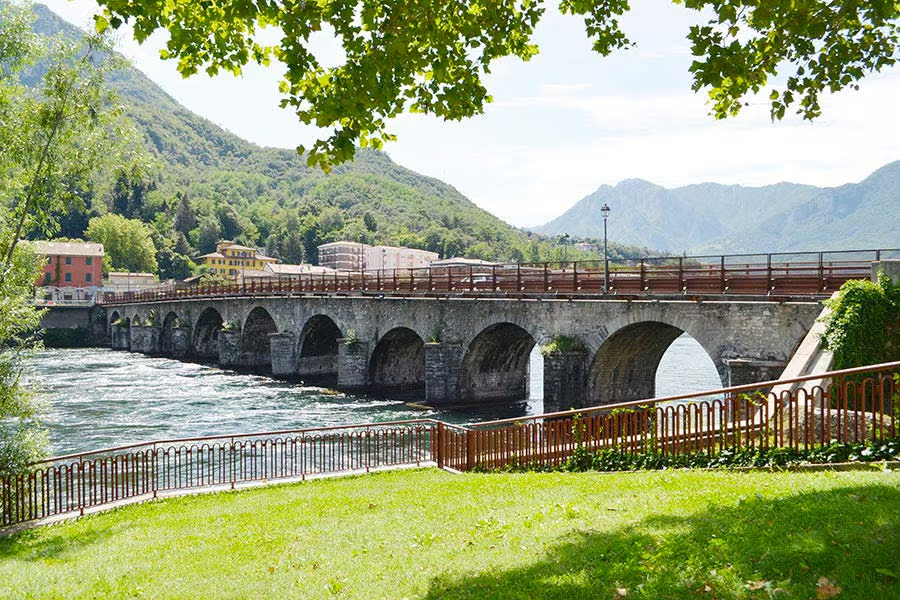
A scholar believes she’s figured out where the backdrop of the “Mona Lisa” comes from, after centuries of debate among art experts. Ann Pizzorusso, a geologist and Italian Renaissance specialist, thinks it’s in Lecco, northern Italy.

She points to the 14th-century Ponte Azzone Visconti in Lecco as the bridge in the painting, despite previous theories suggesting other locations like Arezzo and Bobbio.

Ponte Azzone Visconti in Modern Times

Pizzorusso’s confidence comes from her geological knowledge, which she says supports her claim better than previous hypotheses.

Her research indicates that the limestone rock formations in Lecco match those seen behind the Mona Lisa. Pizzorusso’s findings highlight the intersection of art and science in Leonardo’s work, according to Michael Daley of ArtWatch UK, who praises her scientific understanding over traditional art history interpretations.

Lifesaving Guidelines

A new study led by William Sanders of Massachusetts General Hospital and involving 18 trauma centers across the U.S., examined the outcomes of 212 patients with brain injuries. The research, aimed to shed light on the potential outcomes if life support was continued longer than it typically is in such cases. Findings from this research indicate that some patients, who had their life support withdrawn, might have survived and even regained some independence six months post-injury.

The study advocates for a more cautious approach in making early decisions about withdrawing life support. Due to the complexities involved, some guidelines advise medical professionals to delay making early prognostic judgments about patients. Current research has only begun to scratch the surface in understanding the various states of consciousness in comatose patients, and there are no definitive guidelines or algorithms that clinicians can use to predict which patients are likely to experience significant recovery.

Through a sophisticated mathematical model, the researchers compared patients who had life support withdrawn with those who did not, despite similar health conditions initially. The data suggested that among those who continued receiving support, a significant number managed to survive beyond six months, and some even regained functional independence.

This research emphasizes the complexity and long-term nature of managing traumatic brain injuries and suggests that delaying decisions related to life support could sometimes lead to better outcomes. More extensive studies are necessary to provide clearer guidelines and improve the prognosis accuracy in such critical situations.

However, this research is a great first start in helping create those guidelines and could have a significant impact in helping those who have traumatic brain injuries.

The findings have been published in the Journal of Neurotrauma.

Vietnam’s Luxury Train

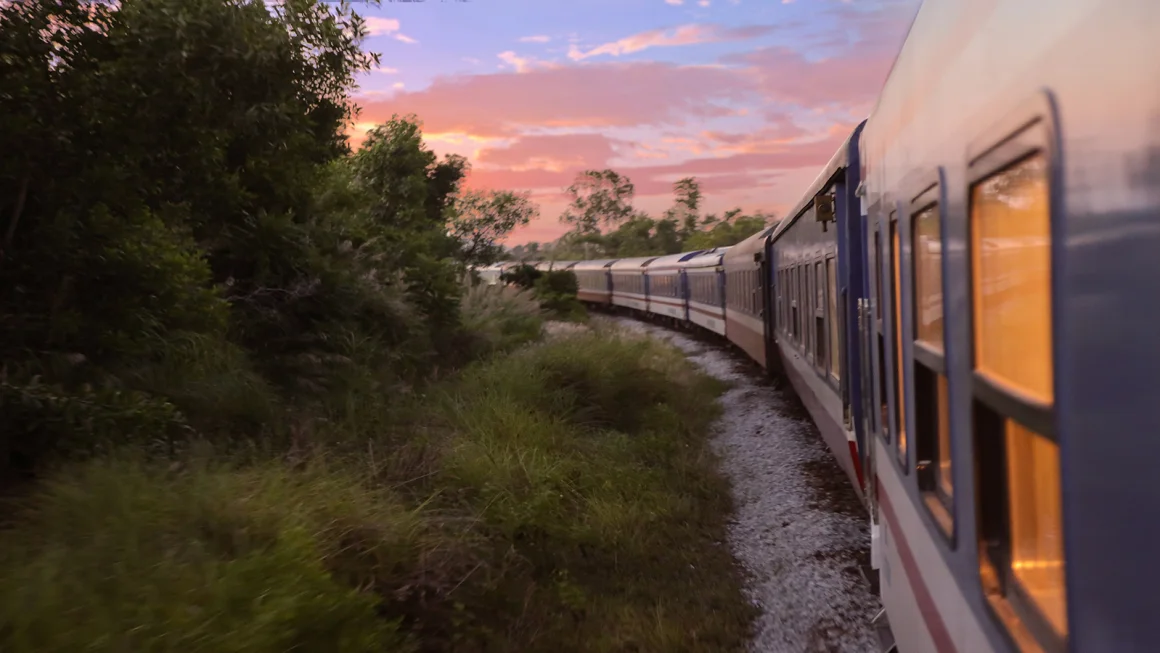
Anantara, a major player in the hospitality industry, has introduced a new five-hour luxury train service in southern Vietnam. This route connects the resort destinations of Nha Trang and Quy Nhon and follows the success of “The Vietage by Anantara,” a six-hour journey launched in 2020 between Da Nang and Quy Nhon.

Kate Jones, Anantara’s head of PR and marketing for Vietnam, explained to CNN that the new route aims to showcase more of Vietnam’s scenic views. Unlike the first route, this one passes through numerous coastal areas, offering views of stunning bays, coastline, mountains, rice paddies, and lotus ponds.

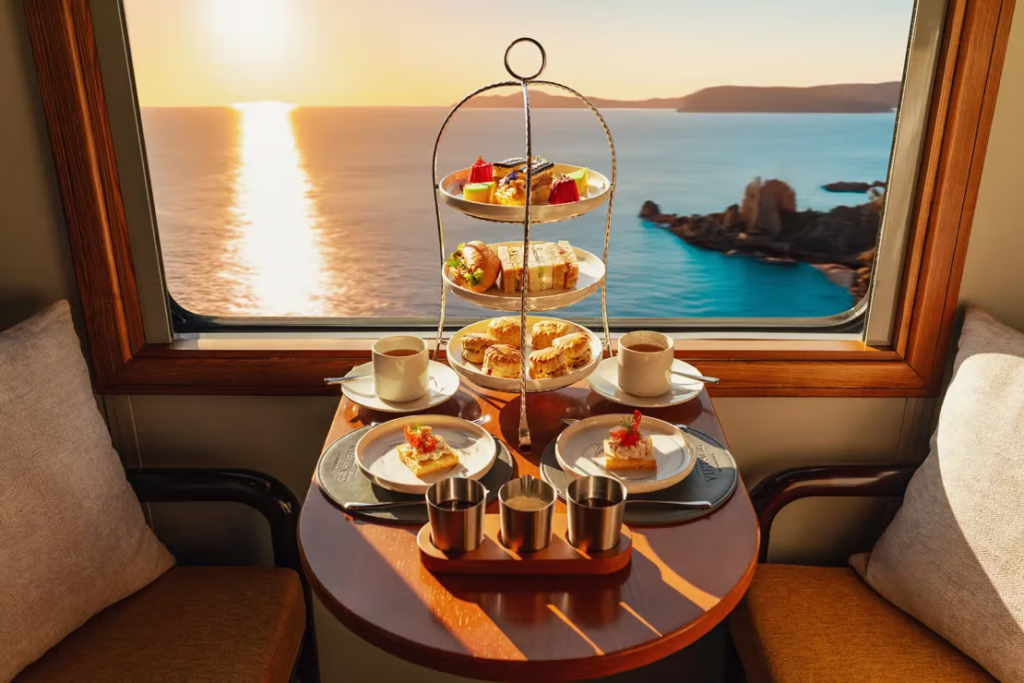
The trains on this route travel at an average speed of 51.9 kilometers per hour (32.2 mph), allowing guests to enjoy a complimentary afternoon tea set, including local caviar, Vietnamese artisanal cheeses, cold cuts, and premium teas. The six-hour Da Nang to Quy Nhon journey offers a three-course gourmet meal. Both routes provide complimentary snacks, drinks, and a 15-minute head and shoulder massage. The Vietage carriages feature a sit-up bar, restrooms, and six private booths equipped with power outlets, Wi-Fi, pillows, and blankets.

Seats can be reserved online at Thevietagetrain.com. Packages combining rail journeys with stays at Anantara’s properties can be booked through the respective hotel websites. A one-way Vietage journey costs $420 per person, with the new route departing Nha Trang at 2 p.m. and arriving in Quy Nhon at 6:29 p.m