World’s Deepest Ocean Sinkhole

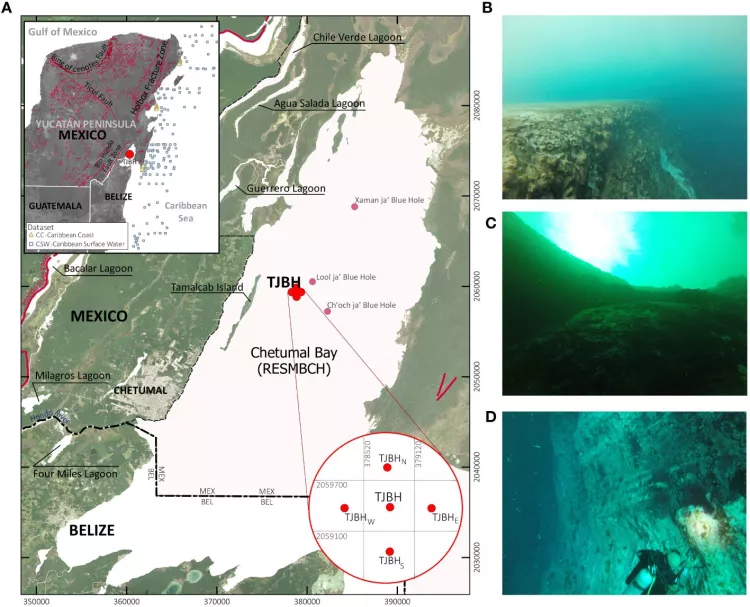
Sinkholes occur not just on land but also underwater, where they are known as blue holes. Researchers have now identified the deepest blue hole on the planet, so deep they have not yet reached the bottom.

This discovery is the Taam Ja’ Blue Hole in Mexico’s Chetumal Bay, previously considered the world’s second-deepest. Researchers reported in the journal Frontiers in Marine Science that a December scuba diving expedition revealed it to be much deeper than initially thought.

“The TJBH is now the deepest blue hole discovered to date, with depths exceeding 420 meters below sea level, and the bottom remains unexplored,” the researchers stated. This new depth, over a quarter-mile below sea level, extends into the mesopelagic zone, also known as the twilight zone due to the limited sunlight.

Earlier estimates placed Taam Ja’s depth at approximately 274 meters below sea level, based on echo sounding, which measures the distance sound waves travel. However, the irregular shapes of blue holes and varying water densities limited this method. The latest measurements, using the SWiFT CTD technique to gauge conductivity, temperature, and depth, indicated the bottom was still beyond reach.

This new depth makes Taam Ja’ significantly deeper than other known blue holes, such as the Sansha Yongle Blue Hole in the South China Sea (301 meters), the Dean’s Blue Hole in the Bahamas (202 meters), and the Dahab Blue Hole in Egypt (130 meters).

While blue holes might seem ominous, the NOAA describes them as “oasis in an otherwise barren seafloor,” teeming with marine life like corals, sponges, mollusks, sea turtles, and sharks. Despite their ecological richness, little is known about blue holes due to their inaccessibility and unpredictable distribution.

Many blue holes have small openings deep underwater, making them difficult for automated submersibles to enter. Initial reports of blue holes often came from fishermen and recreational divers rather than scientists.

Blood Test for Strokes

Stroke is the leading cause of disability worldwide and the second leading cause of death. Early intervention can mitigate severe consequences, and a new diagnostic tool could significantly improve outcomes.

Researchers at Brigham and Women’s Hospital have developed a test that uses blood-based biomarkers and a clinical score to accurately identify patients with large vessel occlusion (LVO) strokes.

“We have developed an accessible tool that could help ensure more stroke patients receive timely, critical care,” said Joshua Bernstock, MD, PhD, a clinical fellow in the Department of Neurosurgery at the hospital.

Most strokes are ischemic, caused by obstructed blood flow to the brain. LVO strokes, a severe form of ischemic stroke, occur when a major brain artery is blocked. These require immediate treatment with mechanical thrombectomy, a procedure to remove the blockage, to prevent brain cell death and severe disability.

“Mechanical thrombectomy can restore patients to their pre-stroke condition,” explained Dr. Bernstock.

However, symptoms of brain bleeds can mimic those of LVO strokes, requiring different treatments. The new test distinguishes between the two conditions in the field.

The research team targeted two proteins in capillary blood: glial fibrillary acidic protein (GFAP), associated with brain bleeds and traumatic brain injury, and D-dimer. Their study demonstrated that combining these biomarkers with field assessment scores (stroke triage for emergency destination, or FAST-ED) can identify LVO strokes and rule out brain bleeds.

“The sooner this intervention occurs, the better the patient’s outcome,” said Bernstock. The study, published in the journal Stroke, showed that the test identified LVO strokes with 93% specificity and 81% sensitivity within six hours of symptom onset. It also ruled out all patients with brain bleeds.

This tool could be especially valuable in low- and middle-income countries where advanced imaging is unavailable. It might also aid in diagnosing traumatic brain injuries. The team is conducting a prospective trial to test the tool’s performance in ambulances and has designed an interventional trial to speed up stroke triage by bypassing standard imaging.

“In stroke care, time is brain,” Bernstock emphasized. “The sooner a patient is on the right care pathway, the better their outcome will be. Our prehospital diagnostic tool is set to be transformative.”

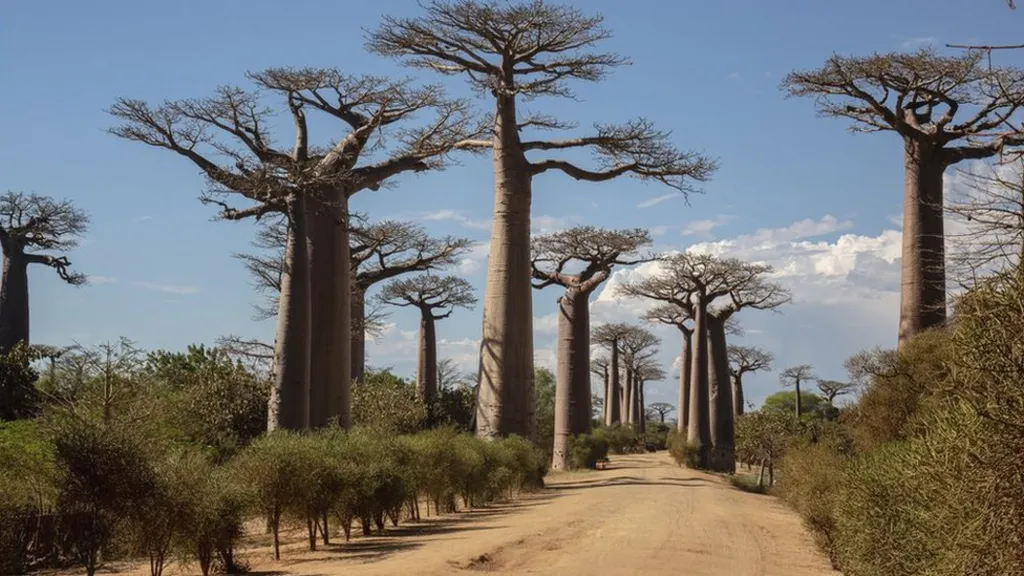
The “Ancient Tree of Life” Explained

Scientists have traced the origins of ancient baobab trees to Madagascar, dating back 21 million years, according to DNA studies. Seeds from these trees were later dispersed by ocean currents to Australia and mainland Africa, resulting in distinct species.

The research team, including Dr. Ilia Leitch from the Royal Botanic Gardens, Kew, and Prof. Andrew Leitch from Queen Mary University of London, emphasizes the urgent need for increased conservation efforts. They warn that baobabs may be closer to extinction than previously.

Baobabs, known for their unique shapes and longevity, support a diverse range of animals, plants, and human communities. The study covered eight baobab species, with six in Madagascar, one across Africa, and another in northwest Australia. Researchers call for heightened conservation status for two endangered Malagasy species, including the giant baobab.

The trees, referred to as the “tree of life” or “upside-down tree,” can live for thousands of years, grow to enormous sizes, and store water in their trunks to survive dry seasons. Their fruits are considered a superfood, and their trunks provide fibers for ropes and clothing. The large white flowers attract bats for pollination, and baobabs serve as crucial nesting sites for birds.

This research was a collaborative effort between Wuhan Botanical Garden (China), Royal Botanic Gardens (Kew, UK), University of Antananarivo (Madagascar), and Queen Mary University of London (UK).

Experimental Cancer Treatment Gives Mom a 2nd Chance

After less than a year of undergoing treatment with a new cancer drug, a young woman saw her tumor disappear, easing concerns about her ability to have more children.

Kelly Spill’s life took a difficult turn after giving birth to her first baby when she was diagnosed with cancer. Experiencing symptoms like fatigue, bleeding, weight loss, and loss of appetite, she suspected cancer despite doctors initially attributing her symptoms to childbirth.

Tests confirmed stage-3 colorectal cancer, leading Spill to seek treatment at Memorial Sloan Kettering Cancer Center. Conventional treatment options posed a risk to her fertility, a concern as she hoped for a larger family.

However, just before starting chemotherapy, Spill became eligible for a clinical trial testing a new drug, dostarlimab. She received weekly injections for six months.

The treatment proved effective, with her tumor significantly shrinking after four treatments and disappearing completely by the ninth. Spill cautiously considered expanding her family and eventually gave birth to a healthy baby girl.

Today, Spill remains cancer-free, her journey showcasing the potential of innovative cancer therapies.

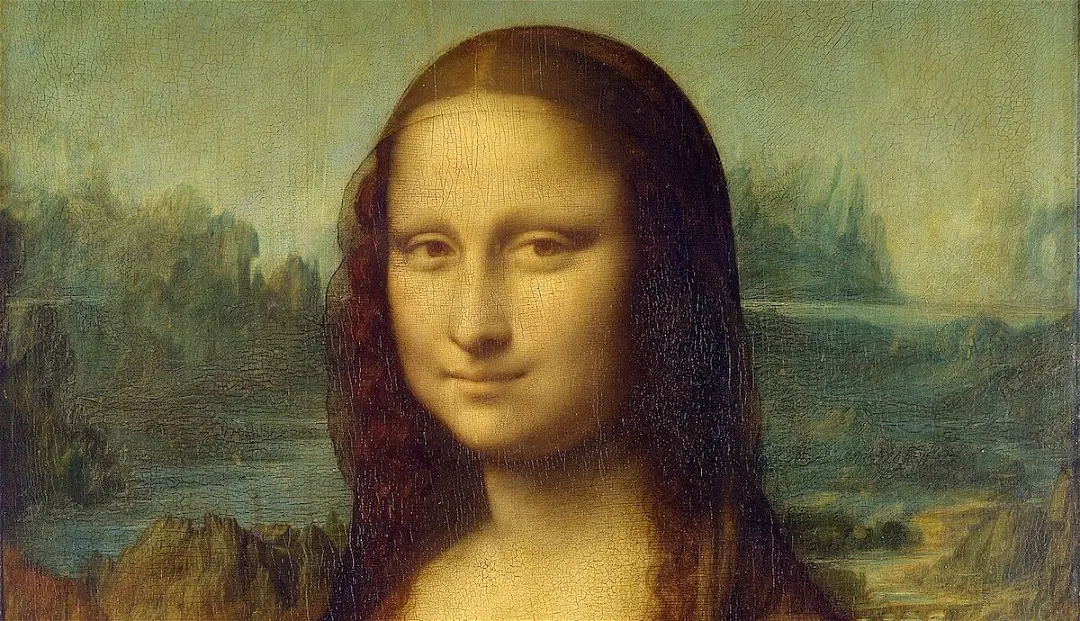
Mona Lisa’s Location Revealed!

A scholar believes she’s figured out where the backdrop of the “Mona Lisa” comes from, after centuries of debate among art experts. Ann Pizzorusso, a geologist and Italian Renaissance specialist, thinks it’s in Lecco, northern Italy.

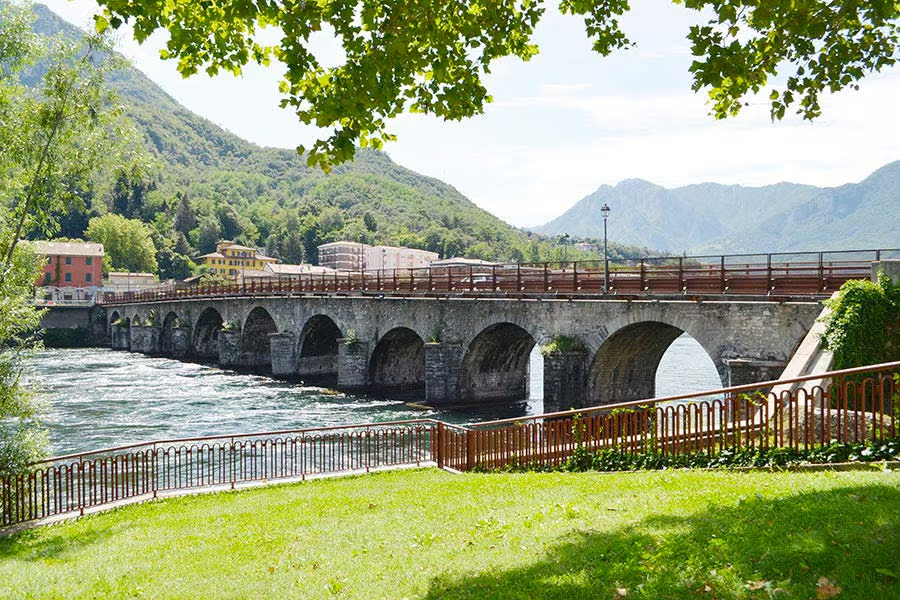
She points to the 14th-century Ponte Azzone Visconti in Lecco as the bridge in the painting, despite previous theories suggesting other locations like Arezzo and Bobbio.

Ponte Azzone Visconti in Modern Times

Pizzorusso’s confidence comes from her geological knowledge, which she says supports her claim better than previous hypotheses.

Her research indicates that the limestone rock formations in Lecco match those seen behind the Mona Lisa. Pizzorusso’s findings highlight the intersection of art and science in Leonardo’s work, according to Michael Daley of ArtWatch UK, who praises her scientific understanding over traditional art history interpretations.