Lifesaving Guidelines


A new study led by William Sanders of Massachusetts General Hospital and involving 18 trauma centers across the U.S., examined the outcomes of 212 patients with brain injuries. The research, aimed to shed light on the potential outcomes if life support was continued longer than it typically is in such cases. Findings from this research indicate that some patients, who had their life support withdrawn, might have survived and even regained some independence six months post-injury.

The study advocates for a more cautious approach in making early decisions about withdrawing life support. Due to the complexities involved, some guidelines advise medical professionals to delay making early prognostic judgments about patients. Current research has only begun to scratch the surface in understanding the various states of consciousness in comatose patients, and there are no definitive guidelines or algorithms that clinicians can use to predict which patients are likely to experience significant recovery.

Through a sophisticated mathematical model, the researchers compared patients who had life support withdrawn with those who did not, despite similar health conditions initially. The data suggested that among those who continued receiving support, a significant number managed to survive beyond six months, and some even regained functional independence.

This research emphasizes the complexity and long-term nature of managing traumatic brain injuries and suggests that delaying decisions related to life support could sometimes lead to better outcomes. More extensive studies are necessary to provide clearer guidelines and improve the prognosis accuracy in such critical situations.

However, this research is a great first start in helping create those guidelines and could have a significant impact in helping those who have traumatic brain injuries.

The findings have been published in the Journal of Neurotrauma.
Vietnam’s Luxury Train

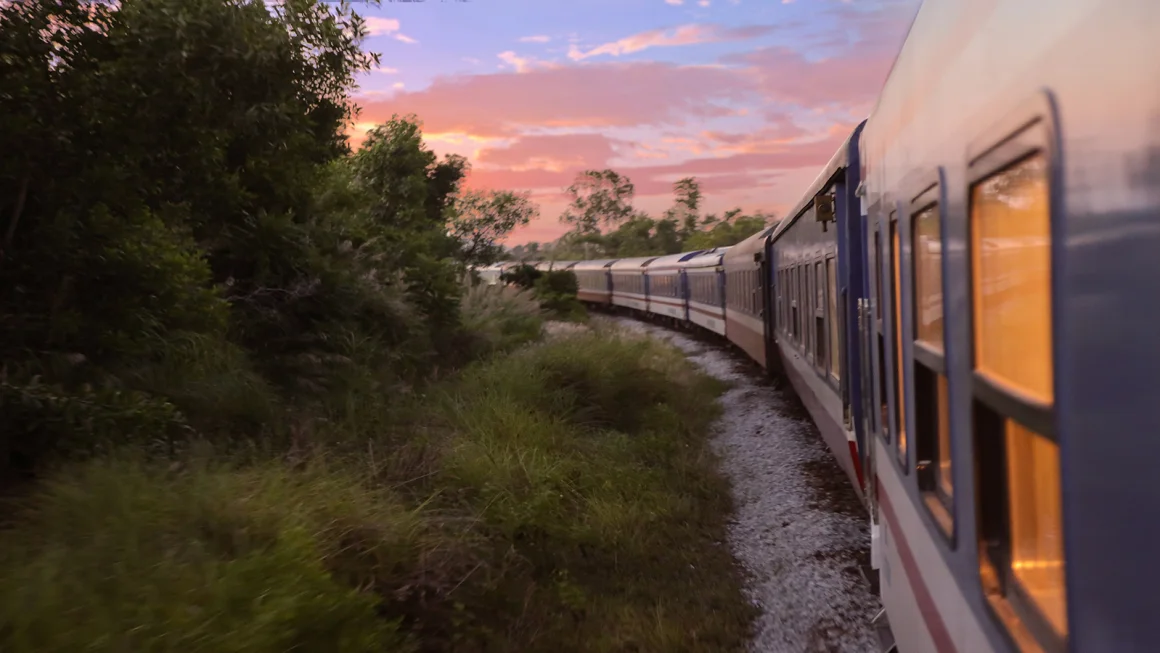
Anantara, a major player in the hospitality industry, has introduced a new five-hour luxury train service in southern Vietnam. This route connects the resort destinations of Nha Trang and Quy Nhon and follows the success of “The Vietage by Anantara,” a six-hour journey launched in 2020 between Da Nang and Quy Nhon.

Kate Jones, Anantara’s head of PR and marketing for Vietnam, explained to CNN that the new route aims to showcase more of Vietnam’s scenic views. Unlike the first route, this one passes through numerous coastal areas, offering views of stunning bays, coastline, mountains, rice paddies, and lotus ponds.

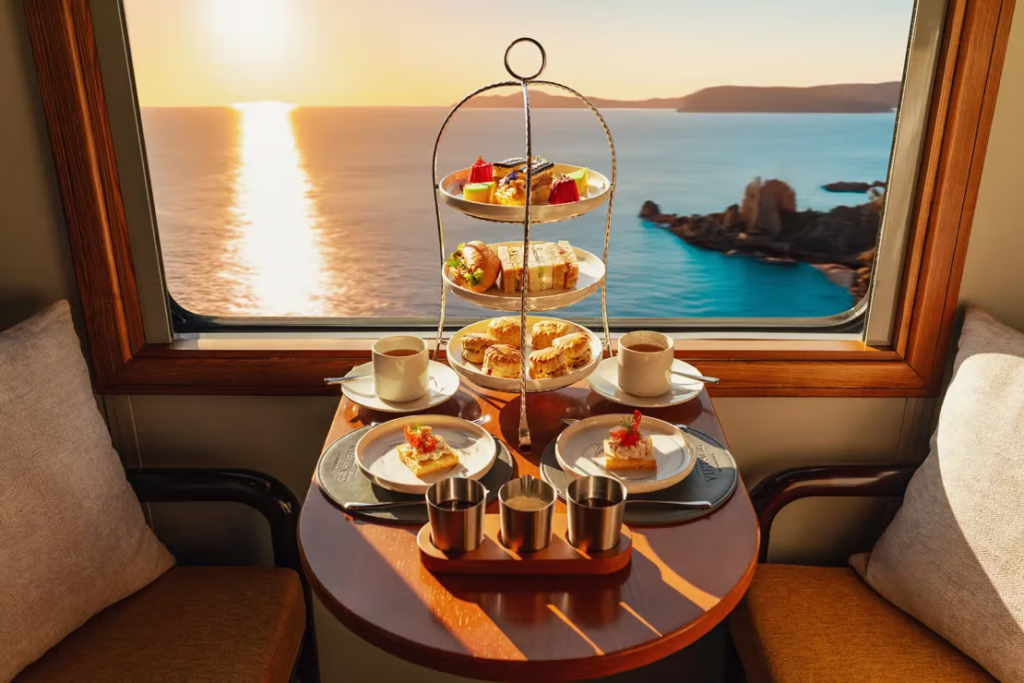
The trains on this route travel at an average speed of 51.9 kilometers per hour (32.2 mph), allowing guests to enjoy a complimentary afternoon tea set, including local caviar, Vietnamese artisanal cheeses, cold cuts, and premium teas. The six-hour Da Nang to Quy Nhon journey offers a three-course gourmet meal. Both routes provide complimentary snacks, drinks, and a 15-minute head and shoulder massage. The Vietage carriages feature a sit-up bar, restrooms, and six private booths equipped with power outlets, Wi-Fi, pillows, and blankets.

Seats can be reserved online at Thevietagetrain.com. Packages combining rail journeys with stays at Anantara’s properties can be booked through the respective hotel websites. A one-way Vietage journey costs $420 per person, with the new route departing Nha Trang at 2 p.m. and arriving in Quy Nhon at 6:29 p.m

Heat Blocking Windows

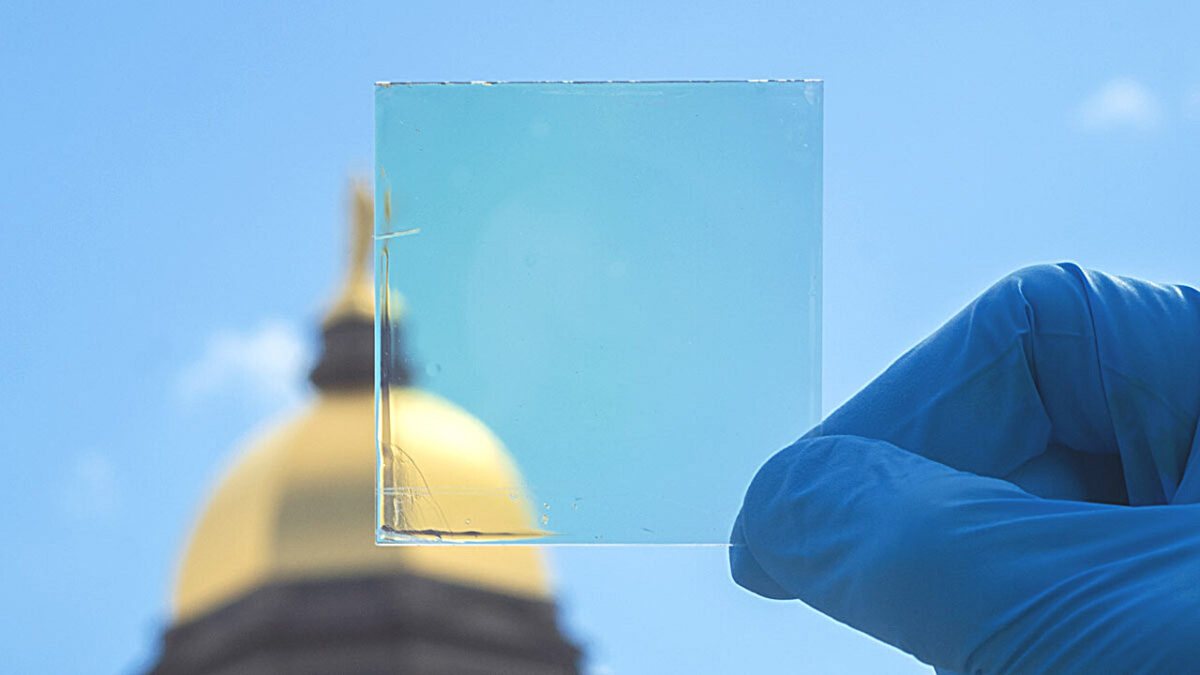
Windows not only let light into buildings but also unwanted heat. To address this, a novel window coating has been developed that blocks heat-inducing ultraviolet and infrared light while allowing visible light to pass through at any angle of sunlight. This technology can be applied to existing windows or vehicles, potentially cutting air-conditioning costs by over one-third in warm climates.

Tengfei Luo, the Dorini Family Professor for Energy Studies at the University of Notre Dame and leader of the research, explains that the effectiveness of the coating does not diminish regardless of the sun’s position. Traditional window coatings are typically designed for sunlight entering at a 90-degree angle, but Luo’s team considered the variable angles of sunlight throughout the day, especially during the hotter midday when the sun is at an oblique angle.

The coating consists of ultra-thin layers of materials like silica, alumina, titanium oxide, and a micrometer-thick silicon polymer. This composite not only maintains transparency but also enhances cooling by reflecting thermal radiation. To find the optimal arrangement of these layers for maximum efficiency at various angles, Luo and his team utilized quantum computing. Their approach allowed them to precisely adjust the layer order, resulting in a coating that significantly reduces temperature inside a room.

Published in Cell Reports Physical Science, their findings show that the coating can lower temperatures by 5.4 to 7.2 degrees Celsius even when exposed to a wide range of light angles.

This is a very neat innovation. Anything to help with bills is a good one in my opinion.

Drought Free for First Time in Decade

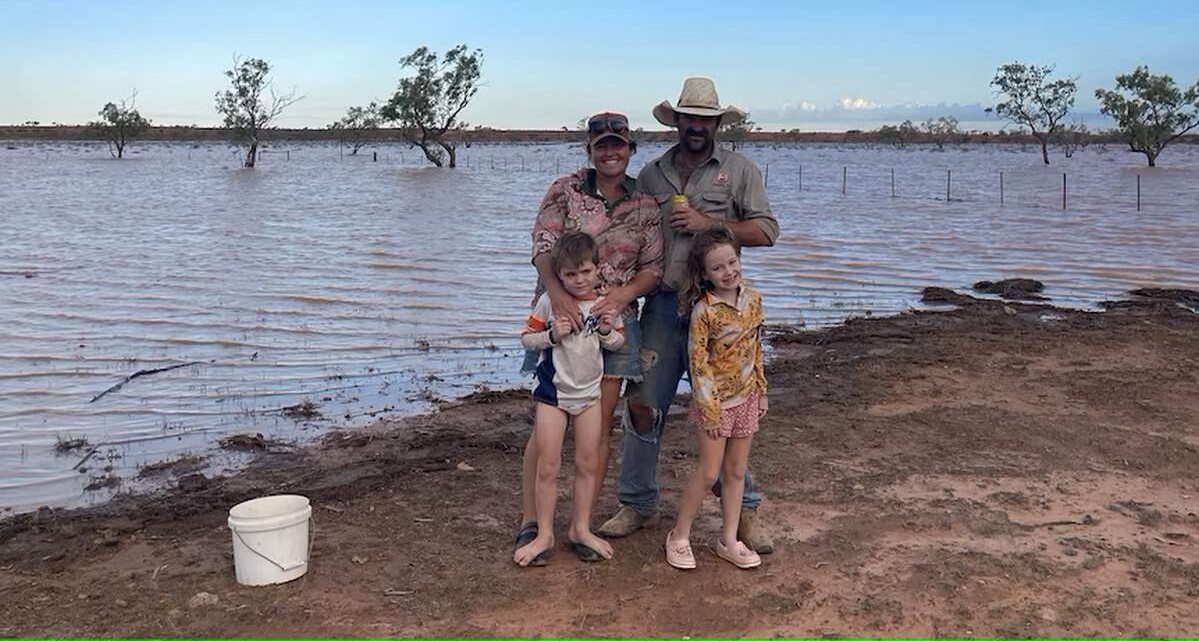
Heavy rains in Queensland, Australia, have transformed the usually red outback soil into lush green terrain with swollen rivers, ending a decade-long drought.

At its peak, the drought affected 88% of the state. Now, with Diamantina and Bulloo shires no longer under drought status, the entire state is drought-free.

The filled water holes, creeks, and rivers promise a strong 2024 for cattle and tourism, both key to the state’s economy.

“It’s remarkable how well the land here responds to rain,” said Mrs. Monique Betts, a rancher in the southwest, to ABC News Australia. “We can probably count on sufficient water for the next 18 months.”

“Our house dam was dry for most of last year,” she added, mentioning they were close to hauling water to the farm in tanks.

The cattle are already fatter, providing relief to ranchers who had been selling off their herds to avoid significant losses.

The slow-moving floodwaters of the Channel Country have spread across the flat region, greening it after late summer rains of about 150 to 300 millimeters.

82% of Queensland’s land is used for farming or ranching, with the driest areas in the south and west.

Most Amazing Close-Up Photos of the Year

The Close-Up Photographer of the Year contest celebrates the intricacies of nature, highlighting small creatures and fine details that are often overlooked.

In its fifth year, the competition attracted nearly 12,000 entries from 67 countries. A panel of 23 experts spent 20 hours reviewing the submissions to determine the winners.

Here are the incredible 11 winning images of this year.