Tallest Skyscraper in America Gets Funded

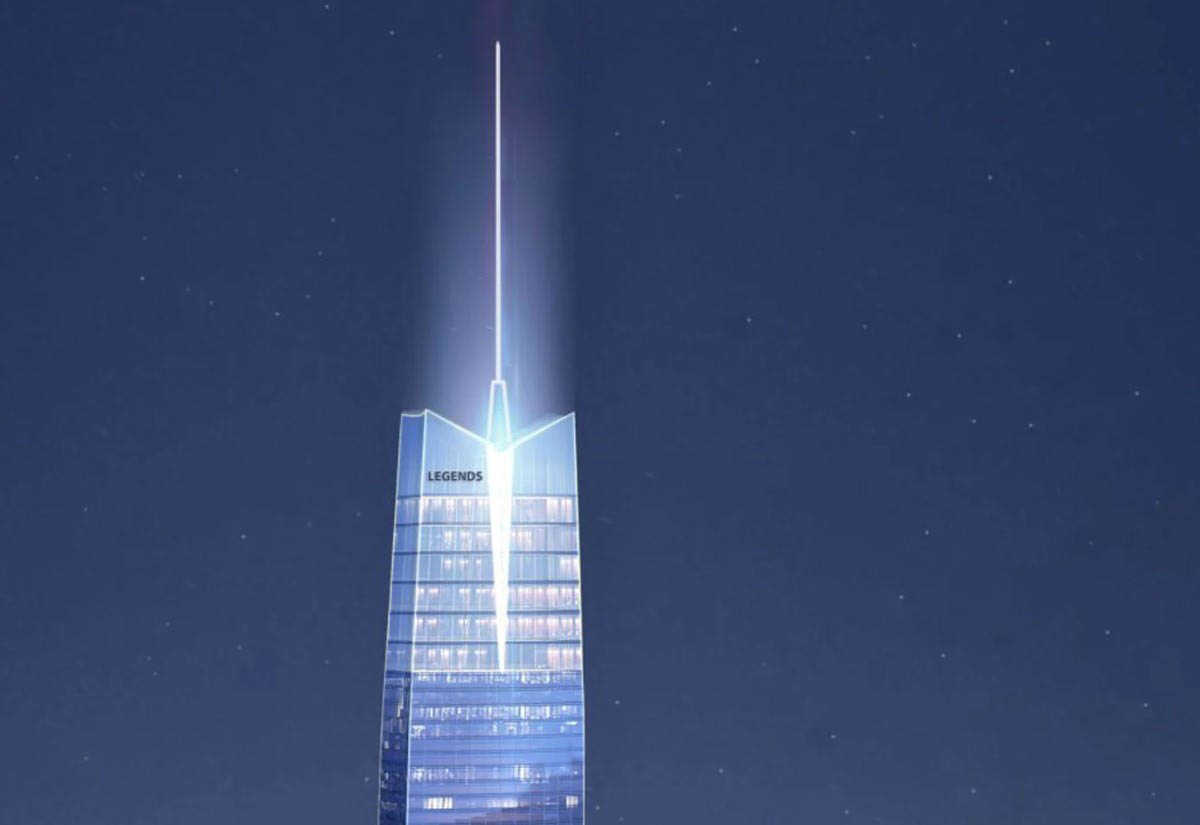
Developer Scot Matteson has announced that financing for the Legends Tower in Oklahoma City, set to be the tallest building in the USA, is in place, with construction anticipated to start in September. The project, featuring a design by the Californian architecture firm AO, has been reported by The Oklahoman as fully funded since early March.

Matteson has secured the necessary $1.5 billion for the construction of the skyscraper and an additional three smaller surrounding towers, collectively referred to as the Boardwalk at Bricktown. Upon completion, the tower will stand at 1,907 feet (581 meters), positioning it as the tallest in the United States and the fifth tallest globally.

Site preparation is expected to commence in June, with Matteson stating plans to initially obtain a grading and infrastructure permit, followed by a building permit in September. He is collaborating with local construction consulting firm Thinkbox and engineering company Thornton Tomasetti on this venture. Matteson emphasized that the entire project, including the tower, is financed, pending approval.

The tower’s design initially proposed a height of 1,750 feet (533 meters) but was later extended with an adjustment to the spire’s design. The Legends Tower will accommodate hotel rooms, residences, and commercial spaces.

Despite skepticism from some experts and local engineers like Norb Delatte, who questioned the choice of a low-density area for such a monumental structure, Matteson remains optimistic about the project’s viability in Oklahoma City. He highlights the city’s job growth, population influx, and positive business environment as conducive factors for urban development.

Oklahoma City is among several American cities, including Miami and Austin, embarking on their first super-tall skyscraper projects.
The Key to Affordable Housing?

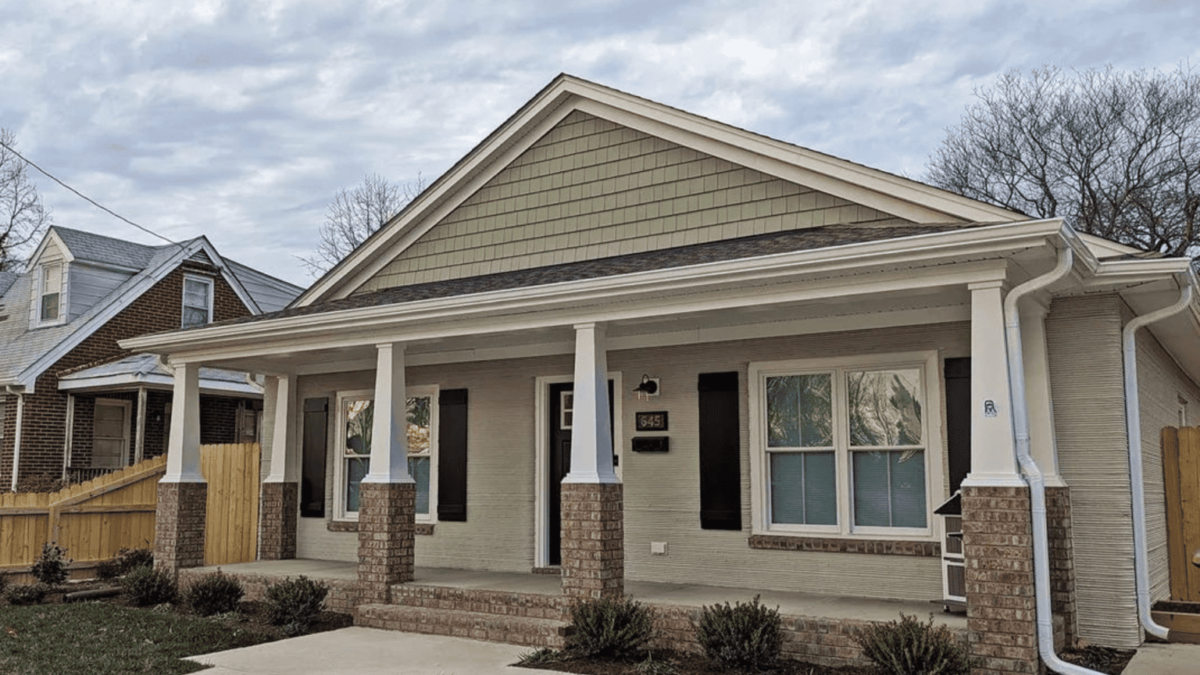
Sierra Romas watched as a gantry-mounted nozzle meticulously deposited concrete in 166 layers, each less than an inch thick, to erect the walls of her new three-bedroom residence.

“It was amazing, very surreal to see a machine doing everything,” Romas said, after experiencing the construction of her home in Newport News, Virginia, using a 3D printer. This innovative method of building represents a promising solution to the escalating crisis of affordable housing, a situation that, according to the National Low Income Housing Coalition, necessitates over 7 million new homes.

The process took roughly 40 hours to complete the walls of Romas’ 1,300-square-foot home. This method not only speeds up construction but also proves to be more cost-effective than traditional wood-frame methods, which have seen little innovation over the past century.

This home is the third constructed by the Habitat for Humanity Peninsula and Greater Williamsburg chapter, with CEO Janet Green noting a decrease in costs with each project. Romas’ home cost Habitat approximately $215,000—$25,000 less than their first project on a plot donated by the city’s housing authority. Green anticipates future 3D-printed homes could cost between $180,000 and $190,000, significantly lower than the current average home price in Romas’ neighborhood, which exceeds $260,000.

The advantages of 3D-printed homes extend beyond speed and cost. They produce less waste, are more energy-efficient due to concrete’s superior insulation properties, and offer increased durability against fire and storms, potentially lowering insurance premiums. Additionally, the automation of the printing process demands fewer workers, an important factor given the current shortage of construction labor.

The growth of 3D-printed housing offers a novel avenue to homeownership for individuals like Romas, an Army National Guard veteran with two sons. Alquist 3D, responsible for printing the three Habitat homes, has recently relocated its headquarters to Greeley, Colorado, attracted by $4 million in city and state incentives. There, Alquist 3D plans to construct 100 homes as part of a larger 300-home Habitat for Humanity initiative and is collaborating with Aims Community College to develop a 3D-printing curriculum, preparing a workforce for the expansion of this burgeoning technology.

Making Whiskey Out of Invasive Crabs

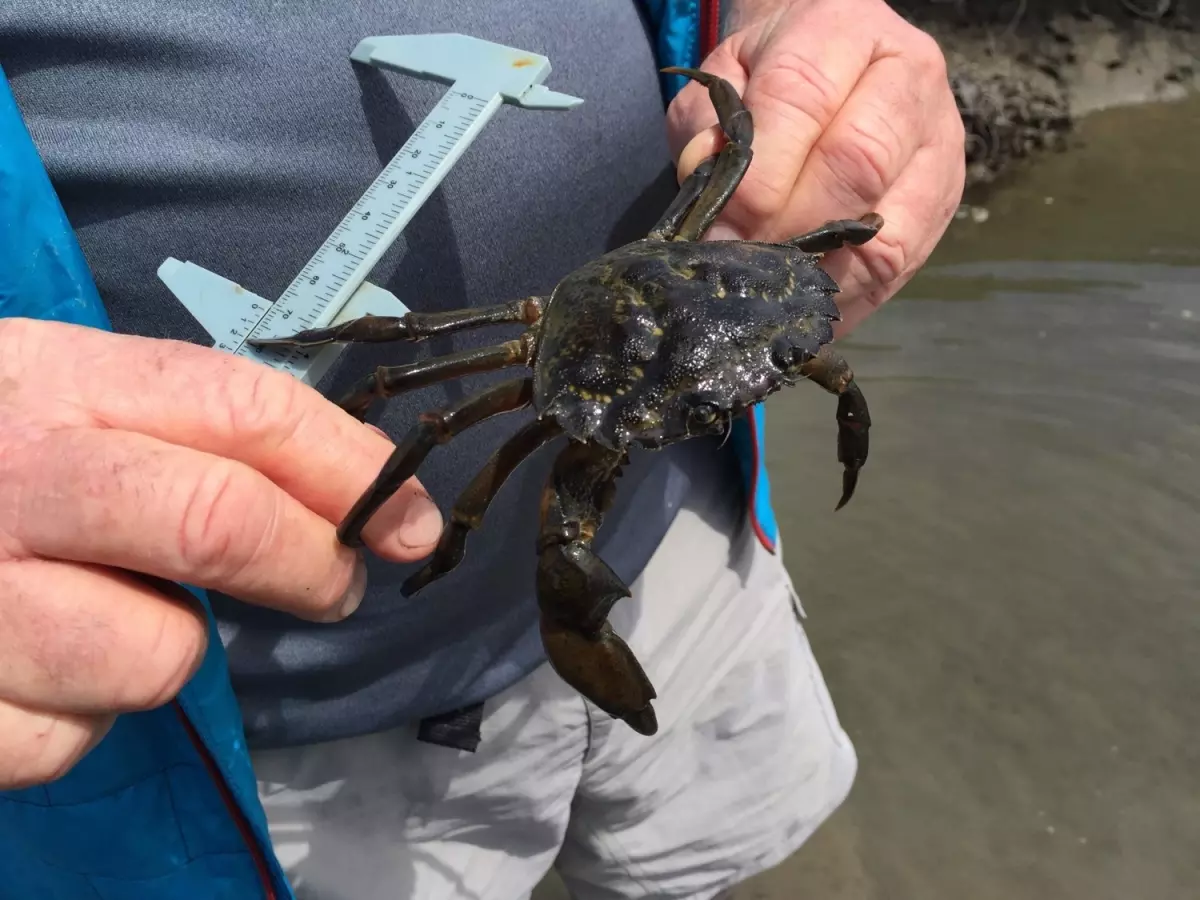
A New Hampshire distillery is tackling the invasion of green crabs along the East Coast by creating “Crab Trapper,” a unique crab-flavored whiskey.

Will Robinson the product developer at Tamworth Distilling shared with NPR’s Kai McNamee: “People are going to hear crab whiskey, and I’d venture to say three-quarters of them are going to go, ‘No, absolutely not,'” said Robinson. “But if you can get them to taste it, they totally change their tune for the most part.”

“Crab Trapper” is crafted from a crab stock base, distilled under vacuum, and infused with spices such as mustard seed, coriander, and cinnamon, along with a bourbon base, resulting in a distinctive flavor that Steven Grasse, the distillery’s owner, describes to Food & Wine’s Mike Pomranz as a “briny and better Fireball.” Each bottle incorporates about a pound of crabs.

The European green crab, Carcinas maenas, introduced to the U.S. East Coast around 200 years ago, has become one of North America’s most formidable invasive marine species, according to Gabriela Bradt, a marine biologist at the University of New Hampshire. With a voracious appetite and high reproductive capacity, these crabs pose a significant threat to local marine life.

Despite historically being controlled by New England’s cold winters, rising temperatures over the past decade have led to a population surge. While green crabs are a delicacy in some European regions, such as Venice, New England has been slower to adopt them as a food source. The NH Green Crab Project at the University of New Hampshire is investigating the potential for establishing a fishery and market for these crabs in the U.S.

Currently, crabbers lack financial motivation to catch green crabs in quantities significant enough to reduce the invasive species’ population. However, the introduction of new products utilizing the crab, such as fishing bait, whiskey, fish sauce, and others, could start to change that.

Grasse emphasizes the distillery’s commitment to sustainability and the inspiration drawn from local wildlife for their product innovations. The success of “Crab Trapper” whiskey, an unexpected yet sustainable twist on Fireball, is certainly a unique flavor combination in spirit production.

$1 Billion in Federal Tax Refunds Unclaimed

If you failed to submit a tax return during the height of the Covid-19 pandemic and think you might qualify for a refund, the Internal Revenue Service (IRS) thinks you should reach out.

The agency recently announced that it holds over $1 billion in unclaimed refunds from the 2020 tax year, which eligible taxpayers can still claim.

During the pandemic, the deadline for filing returns to claim refunds for the 2020 tax year was extended to May 17, 2024, beyond the standard three-year period.

IRS Commissioner Danny Werfel emphasized the urgency for those who haven’t filed their 2020 returns to do so before the upcoming deadline. With an estimated median refund of $932 for 2020, many may not realize they are entitled to a refund. The pandemic created unique circumstances that led to some individuals, including students and part-time workers, potentially overlooking their refunds.

Additionally, individuals, particularly those with lower to moderate incomes, might qualify for the Earned Income Tax Credit (EITC), potentially worth up to $6,660 for the 2020 tax year for those with eligible children.

The IRS also pointed out that refunds for 2020 might be withheld if tax returns for 2021 and 2022 have not been filed. Taxpayers are encouraged to review their records and prepare their filings to avoid missing out on any potential refunds.

If you think you might be one of those people, it might be worth looking into further.

Bank Prevents Woman from Making Catastrophic Decision

A Westpac Bank employee recently intervened to prevent a woman from making a financially catastrophic decision due to an online scam.

Mariana Karbowski, a teller at Westpac’s Liverpool Branch, grew suspicious when a senior citizen appeared anxious about selling her home and canceling her insurance with the bank.

Upon inquiry, the woman mentioned she needed the money to “help her son,” but further questioning revealed she intended to use the funds to bail out an online boyfriend from a foreign prison. Karbowski, whose own father was a victim of a scam, conducted a reverse image search of the purported boyfriend and found that the numerous photos sent to the client were posted online under various names.

After showing the woman the images, Karbowski helped comfort her. She then walked the woman to the police station to report the scam.

Westpac aims to replicate this level of vigilance in its online banking services with an AI feature designed to ask probing questions similar to those a concerned relative might pose, thereby preventing potentially fraudulent transactions.

This initiative reflects a broader industry concern over scams targeting vulnerable individuals, including those with dementia or who are less internet-savvy. Another bank, ANZ Bank, recently reimbursed an elderly client with early-stage dementia after scammers drained AUD$500,000 from his account. The fraud department concluded that the bank should have had more protective measures for customers’ account because of his condition.

Great to see proactive employees that are looking out for people!