Groundbreaking AI Tool Gets FDA Approval


Recently, the health tech company Prenosis unveiled its groundbreaking artificial intelligence (AI)-based diagnostic tool designed to identify sepsis, marking the first time such a tool has been approved by the U.S. Food and Drug Administration (FDA).

Sepsis, a critical condition that arises from the body’s severe response to an infection, leads to hundreds of thousands of deaths annually in hospitalized patients or those moved to hospice care. The difficulty in diagnosing sepsis early, which is crucial for effective treatment due to the rapid progression of the disease, presents a significant challenge in healthcare.

The diagnostic tool developed by Prenosis, known as Sepsis ImmunoScore, leverages AI to analyze 22 different health indicators, including vital signs and laboratory results, to evaluate a patient’s sepsis risk. This innovative approach allows for a comprehensive assessment by simultaneously considering multiple health parameters that clinicians traditionally had to monitor separately. The Sepsis ImmunoScore provides an overall risk score and categorizes patients based on their deterioration risk, enhancing the ability of healthcare professionals to make timely and informed decisions.

Developed on the Immunix platform, the tool is based on an extensive dataset comprising over 100,000 blood samples from 25,000 patients. It seamlessly integrates into electronic health records, ensuring it fits effortlessly into existing medical workflows and is straightforward for clinicians to use.

This FDA approval came through the agency’s De Novo pathway, which means it is the first of its kind to be approved. While Prenosis is the pioneer in receiving FDA approval for an AI-based sepsis diagnostic tool, other institutions like Johns Hopkins University have also developed AI systems targeting early sepsis detection, with some models reportedly identifying sepsis symptoms hours before conventional methods.

Prenosis emphasized its commitment to safety and efficacy by choosing to seek FDA approval before marketing the Sepsis ImmunoScore, despite having developed the tool three years prior. The company engaged with the FDA for approximately 18 months to ensure the tool’s safety and effectiveness. With FDA approval now secured, Prenosis plans to conduct further studies to validate the tool’s accuracy and its impact on clinical decisions, aiming to introduce it to hospitals in the U.S. and eventually worldwide.

Anthony Kim’s Triumphant Return Out of a Dark Time

Anthony Kim’s saga of triumph, adversity, and resurgence offers a compelling narrative yet to be fully unveiled. “The Journey Back,” a recent LIV Golf documentary featuring David Feherty, scratches the surface but leaves audiences yearning for more depth.

Kim, a golf sensation in the early 2010s known for his PGA Tour victories and remarkable performances at the Ryder Cup and the Masters, mysteriously exited the sport following an Achilles surgery in 2012 and remained absent until a surprising return at a LIV Golf event in Hong Kong.

While he dispels the rumor of leaving golf for an insurance payout, he reveals little about his decade away from the spotlight, mentioning only his recovery from numerous surgeries and a recovery period spent with six dogs and two monkeys.

This 20-minute documentary, designed more as a promotional piece for LIV Golf than an in-depth exploration of Kim’s challenges, introduces significant aspects of his life only to briefly touch upon them. Feherty, a man familiar with personal battles, initiates a conversation that begs for continuation. Kim reflects on the whirlwind of fame and its challenges, admitting to a past overwhelmed by negative influences and an addictive personality.

“I was around some bad people,” he says. “People that took advantage of me. Scam artists. When you’re 24, 25, even 30 years old, you don’t realize the snakes that are living under your roof.”

He hints at a transformative period, catalyzed by his wife and 2-year-old daughter, which led to a newfound appreciation for golf and life.

Despite the physical and mental scars, Kim views his current circumstances as a platform for inspiration, aiming to motivate others facing their dark phases.

“My mistakes are the reason I fell into this deep hole,” Kim says. “I hope that I can inspire somebody to dig out of a hole. If they don’t see light at the end of the tunnel, hopefully they find some strength in the people around them and they can get out of it.”

The Journey Back” sets the stage, Kim’s story of resilience remains ripe for a deeper dive. The documentary, starting conversations at the LIV Golf event in Miami, promises the potential for a richer, more revealing narrative in the future.

Fifth ‘Matrix’ Movie Is In the Works

The renowned “Matrix” movie series is expanding with a fifth installment, led by Lana Wachowski, one of the original co-writers and co-directors, who takes on the role of executive producer.

As per a recent press release from Warner Bros. Motion Picture Group, Drew Goddard, an Oscar-nominated screenwriter, will write and direct the film alongside his producing partner Sarah Esberg. Jesse Ehrman, Warner Bros. Motion Pictures President of Production, expressed excitement about Goddard’s fresh perspective on the Matrix universe, aiming to both honor the original vision and provide a unique take inspired by his own passion for the series.

Details regarding the plot and casting, including the potential return of Keanu Reeves as Neo, remain undisclosed. There has been no immediate response from Reeves’ representative regarding the project.

Goddard, known for his directorial debut “The Cabin in the Woods” and his work on “The Martian,” brings a wealth of experience to the project, having earned acclaim and an Oscar nomination for his screenplay.

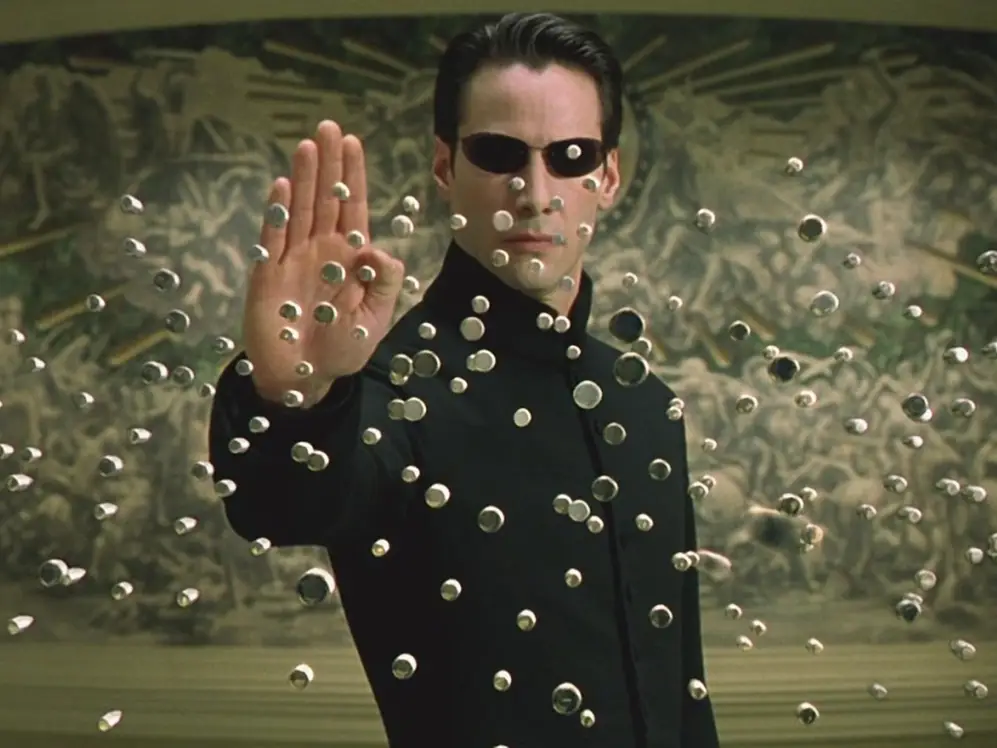
“The Matrix,” which premiered in 1999, stars Reeves, Laurence Fishburne, Hugo Weaving, and Carrie-Anne Moss. The groundbreaking sci-fi narrative follows Neo, a computer hacker drawn into a rebellion against a simulated reality known as the Matrix.

The original film was a massive success, grossing over $467 million and winning four Academy Awards. It spawned three sequels, with “The Matrix Resurrections” released in 2021. Over its 25-year span, the franchise has amassed nearly $2 billion globally, according to the studio.

The Origin of Modern Libraries

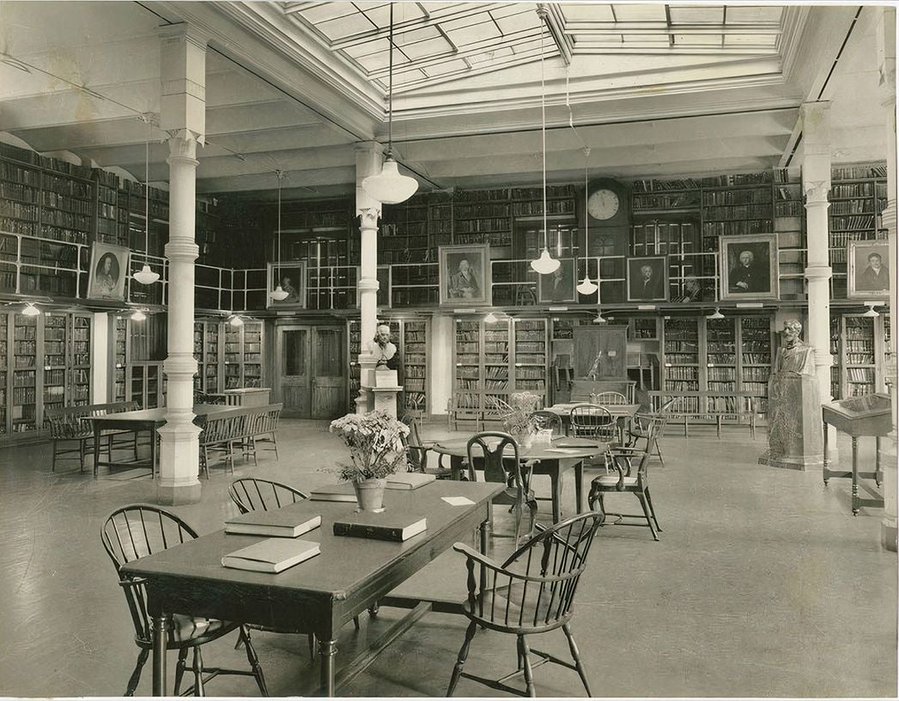
Benjamin Franklin, a pioneer of self-education, established the Junto, a Philadelphia-based discussion group for “mutual improvement” through intellectual debate in 1727.

Recognizing the need for a reliable source to verify facts due to the scarcity and high cost of books in colonial America, Franklin came up with a new idea. He envisioned a library funded by subscription fees. This vision materialized as the Library Company of Philadelphia in 1731, which made books accessible to those of modest means.

At first, members bought shares at a low cost that could be inherited by future generations. Prioritizing volumes in English for broader comprehension, the Library Company attracted eager interest. Eventually, the library opened its doors to non-shareholders for a nominal fee, setting a precedent that lead to over 40 lending libraries across the United States by 1800.

In the same period in Britain, philanthropists contributed books to libraries to enhance community learning, though these books remained within the library premises; typically, these institutions did not lend out their collections. To safeguard against theft, some libraries even secured books to the shelves with chains.

By 1771, on the brink of the Revolution, Franklin noted in his autobiography the pivotal role of lending libraries crediting them with elevating the intellect of Americans: “These libraries have improved the general conversation of the Americans” and “made the common tradesmen and farmers as intelligent as most gentlemen from other countries.”

During its tenure in Philadelphia, the Library Company acted as the first de facto Library of Congress until 1800. Today, the Library Company endures as an independent research library, open and free to the public, still sustained by shareholders. In addition to the circulating portion, it houses an extensive, non-circulating collection, including some of its earliest acquisitions like Franklin’s own copy of Logic, or, the Art of Thinking. While now focusing on American history up to 1900, the Library Company’s foundational mission of facilitating access to knowledge persists.

Google to Destroy Browsing Data

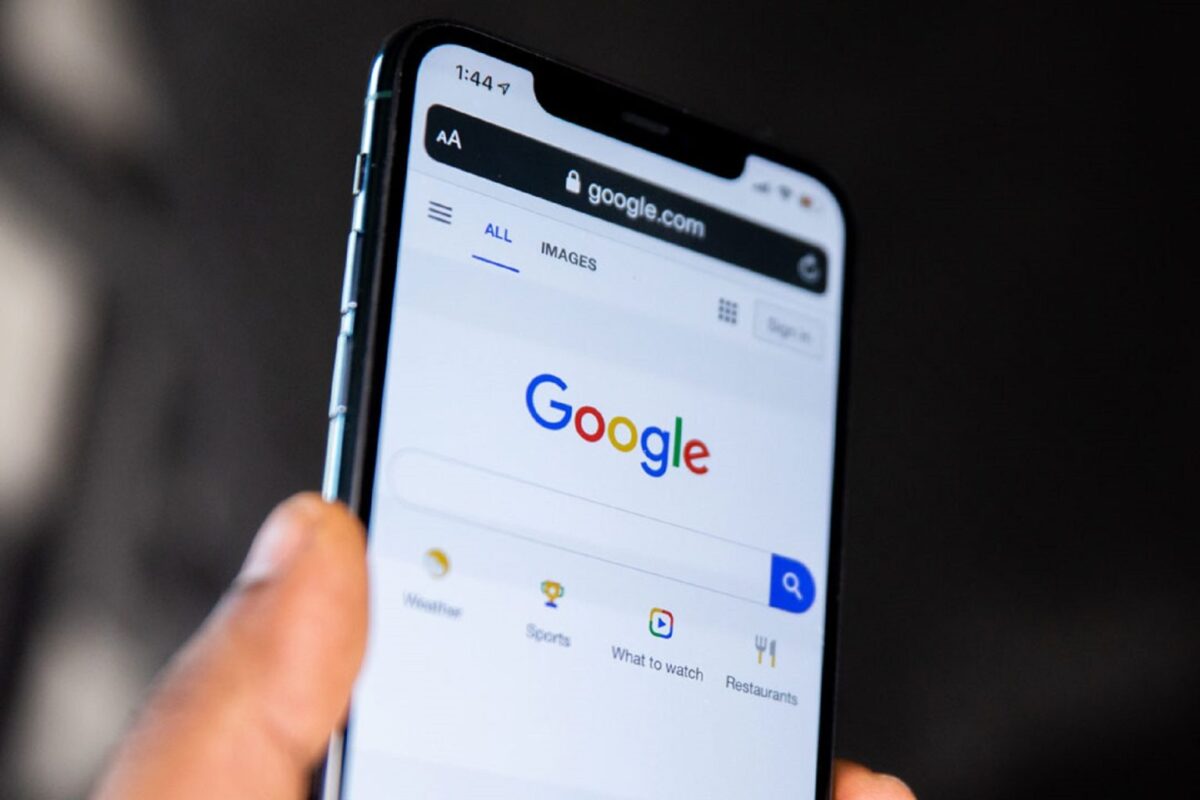
Google has agreed to eliminate billions of data records as part of a settlement to resolve accusations that it covertly monitored the online activities of individuals who believed they were browsing in private mode.

The settlement terms, submitted on Monday in a federal court in Oakland, California, are awaiting approval from U.S. District Judge Yvonne Gonzalez Rogers.

The settlement is valued between $5 billion and $7.8 billion by the plaintiffs’ attorneys, although it does not include damages for the users, who retain the right to pursue individual claims for damages.

This class action lawsuit, initiated in 2020, represents millions of Google users who have engaged in private browsing since June 1, 2016.

The complaint centered on allegations that Google, through its analytics, cookies, and applications, improperly tracked users who had activated the “Incognito” mode on Google’s Chrome browser or similar privacy settings on other browsers.

As part of the agreement, Google committed to revising its disclosures about data collection in private browsing sessions, an update process it has already started. Additionally, Google will allow users in Incognito mode to block third-party cookies for a duration of five years.

According to the plaintiffs’ legal team, this settlement will result in Google collecting less data from private browsing sessions and consequently earning less revenue from such data.

I’ll do some research and will report back to you once I figure out how and if an individual can make a claim for any damages. I have definitely been using google in “private mode”…