BurnBot to Be Unleashed

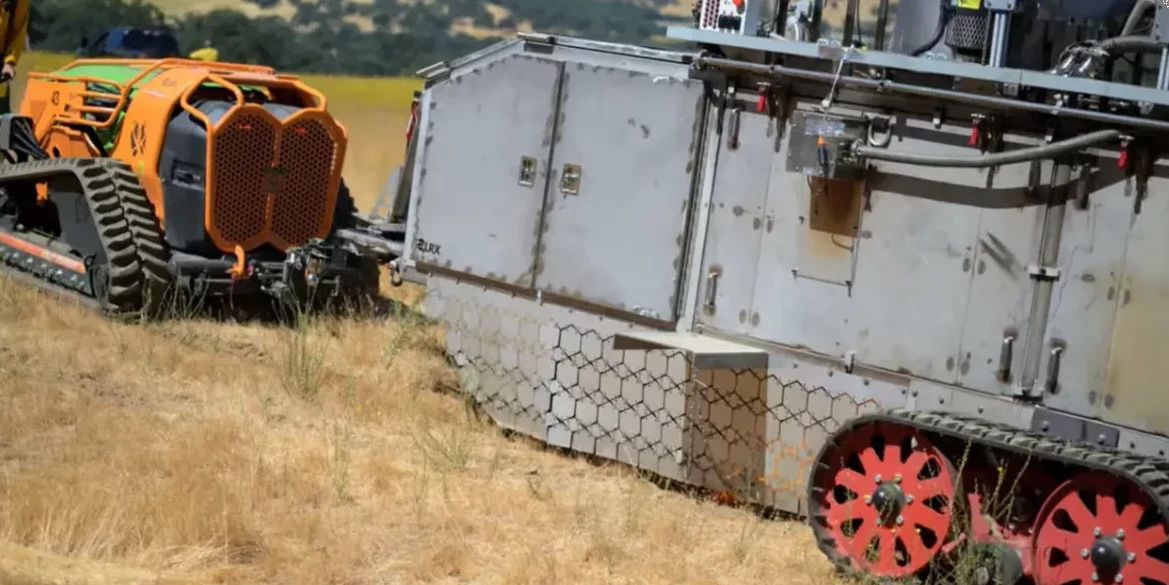
Last year, an unprecedented heatwave exacerbated droughts and dryness worldwide, creating a particularly dire situation in California. Since 2017, the state has experienced 13 of its 20 most destructive wildfires. Amidst this backdrop, a small startup in South San Francisco, named BurnBot, founded by Anukool Lakhina and Waleed “Lee” Haddad in 2022, is pioneering a technological solution to wildfire prevention.

BurnBot, having recently secured $20 million in funding from ReGen Ventures, is set on expanding its operations, bolstering its team, and innovating new devices capable of navigating challenging terrains and tight spaces to eliminate fire-prone dry vegetation.

Traditionally, managing such vegetation to prevent wildfires involved labor-intensive and risky methods like controlled burns, mechanical removal, or chemical treatments. BurnBot introduces an innovative alternative with its RX model, a remotely operated vehicle designed to efficiently and safely clear potential fire fuels without the extensive labor or environmental harm associated with conventional methods. This machine, equipped with precision torches and smoke control systems, promises a significant improvement over traditional controlled burn techniques, especially in sensitive areas like under power lines.

Looking ahead, BurnBot is preparing for prescribed burns in collaboration with California’s transportation agency, CalTrans, and the major utility provider, Pacific Gas & Electric (PG&E), which invests over $1 billion annually in vegetation management. These partnerships highlight the industry’s search for safer, more efficient, and environmentally friendly fire prevention methods.

Effects of Solar Eclipse on Wildlife

On April 8, millions witnessed a total solar eclipse. While the event only lasted a few minutes for those in its path, scientists are intrigued by its impact on Earth’s flora and fauna.

During an eclipse, as the light dims leading up to totality, plants and animals react. Birds flock and some grow silent, while farm animals head to their shelters, mistaking the darkness for night. Bees stop buzzing and return to their hives, only to seem disoriented when light returns.

During totality, plants may close up, and animals alter their behavior. Birds quiet down to avoid detection by predators, while crickets start to chirp in the fading light. Spiders engage in web maintenance, and even Galapagos tortoises were observed to mate unexpectedly during the eclipse.

Scientists plan to study these phenomena closely. Projects like the Eclipse Soundscapes initiative will gather data on insect and bird behavior during the event, enhancing scientific understanding. Accredited zoos along the eclipse path will provide additional opportunities for observation.
The eclipse will also cause a significant drop in temperature, affecting both land and amphibians. However, these impacts are expected to be temporary, lasting only minutes.

Overall, researchers are excited about the chance to quantitatively assess the eclipse’s effects on wildlife, thanks to advancements in technology and computing power.

The Truth About Our “Little Brain”

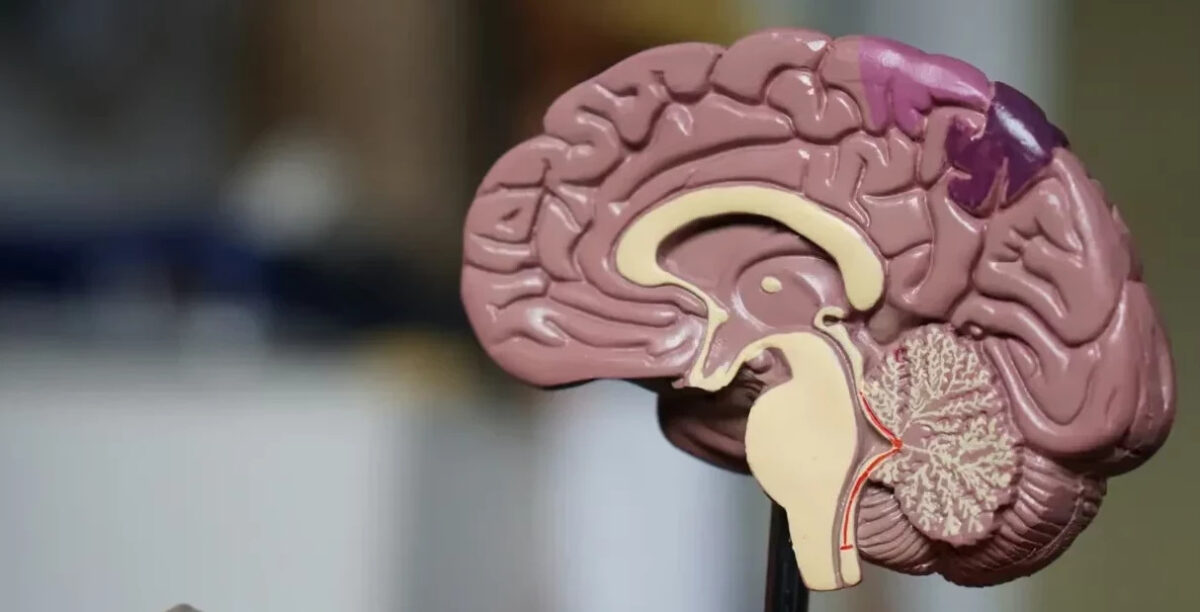
Over recent decades, neuroscience has achieved remarkable progress, yet the cerebellum, aptly named from the Latin for “little brain” and located at the brain’s rear, remains largely an enigma.

Despite holding three-quarters of the brain’s neurons in a near-crystalline structure, contrasting with the more chaotic neuron arrangement elsewhere, its complexity is not fully understood. While traditionally recognized for its role in controlling body movement, emerging research suggests this view is limited.

This expanded understanding of the cerebellum was highlighted at the Society for Neuroscience annual meeting in Washington, DC, where neuroscientists convened to discuss its newly discovered functions beyond motor control. Innovative experimental methods reveal the cerebellum’s involvement in a range of activities, including complex behaviors, social interactions, aggression, working memory, learning, emotion, and more.

Historically, the link between the cerebellum and movement has been clear, evidenced by patients with cerebellar damage experiencing significant movement and balance challenges. Detailed studies have elucidated the cerebellum’s unique neural circuitry and its role in motor functions. However, a groundbreaking 1998 study in the journal Brain challenged this narrow perspective, detailing significant emotional and cognitive impairments in patients with cerebellar damage, suggesting its functions extend beyond physical coordination.

Despite these insights, the broader scientific community has been slow to acknowledge the cerebellum’s role in cognitive and emotional processes. Neurophysiologists like Diasynou Fioravante of UC Davis and neuroscientist Stephanie Rudolph of Albert Einstein College of Medicine have pointed out the longstanding observation of neuropsychiatric deficits in patients with cerebellar damage, yet a lack of anatomical evidence initially hindered the acceptance of these findings.

Currently, advancements in understanding the cerebellum’s circuitry are validating these clinical observations, challenging the conventional wisdom that limited its function to movement control, and opening new avenues for understanding its role in the brain’s broader cognitive and emotional landscape.

8-Year-Old Beats Chess Grandmaster

At the age of eight years, six months, and 11 days, Ashwath Kaushik from Singapore made history by becoming the youngest player ever to defeat a grandmaster in classical tournament chess. This remarkable feat was achieved when he triumphed over Poland’s Jacek Stopa, 37, during round four of the Burgdorfer Stadthaus Open in Switzerland, breaking the previous record by four months.

Ashwath’s journey into chess began with his parents recognizing the increasing screen time in his life and introducing him to the ancient board game through ChessKid.com. As the pandemic hit and Singapore enforced strict lockdowns, Ashwath found himself with ample time to dedicate to practice.

Despite his young age, he displayed a mature understanding of the game and his aspirations, aiming for a 2,000 rating and eventually the title of world champion.

Ashwath’s journey in chess has been fully supported by his family, who provide him with the necessary time and space to pursue his passion.

Under the guidance of experienced coaches like Chess GM Kevin Goh Wei Ming has had other notable achievements such as completing GM Jacob Aagaard’s entire Grandmaster series. While he excels in tactical maneuvers, his coaches wish to further develop his strategic thinking as he continues to learn.

Preventing Breast Cancer: Targeting ‘Exhausted’ Immune Cells

Certain immune cells in healthy women can become ‘exhausted,’ making them susceptible for developing breast cancer. Researchers from Cambridge University have identified a pathway involving mutations in the BRCA1 and BRCA2 genes, which are known to increase the risk of breast and ovarian cancer.

The study revealed that immune cells in the breast tissue of women carrying these mutations exhibit signs of malfunction, termed ‘exhaustion.’ These exhausted immune cells are unable to clear damaged breast cells, potentially leading to the development of breast cancer.

Professor Walid Khaled from the University of Cambridge’s Department of Pharmacology highlighted existing drugs capable of reversing this immune cell dysfunction, typically used in late-stage disease. However, employing these drugs preventatively represents a novel approach, offering a non-invasive alternative to breast removal surgery for high-risk individuals.

By analyzing samples from 55 women across various age groups, the researchers created the Human Breast Cell Atlas, providing valuable insights into breast cancer development. Austin Reed, a PhD student involved in the study, emphasized the importance of such resources in understanding breast cancer and improving treatment outcomes.

Breast cancer presents a complex challenge due to its diverse genetic variations and interactions with other risk factors. The study utilized single-cell RNA sequencing to characterize different breast cell types and states, shedding light on how various risk factors contribute to disease development.

Dr. Sara Pensa, a Senior Research Associate at the University of Cambridge’s Department of Pharmacology and a co-author of the study, stressed the significance of prevention in mitigating disease burden and improving outcomes.

Published in Nature Genetics and primarily funded by the Medical Research Council and Cancer Research UK, this research offers promising avenues for preventative breast cancer treatment and underscores the importance of understanding the complex interplay of genetic and environmental factors in disease development.