The Secrets of the “Little House on the Prairie”


Little House on the Prairie is certainly a staple of American culture. I am sure most of you have read at least some of the famous work. Or, if you haven’t read any of it your sister or mother probably has.

The books are considered semi-autobiographical. While some of the dates, people and events are apparently not one hundred percent accurate, they are very close and for the most part biographical.

For a while some of the things detailed in the books remained a mystery. Where is the school house that Laura taught at? Why did Mary Ingalls go blind from a sickness that does not cause blindness? How bad was the Long Winter? Do we have any way of knowing how bad it was comparably?

Well, some people asked those questions and they had the skills to back it up. I would recommend reading this article that tells how these scientist investigated events to discover their hidden history.
Wearable Infusion Pumps

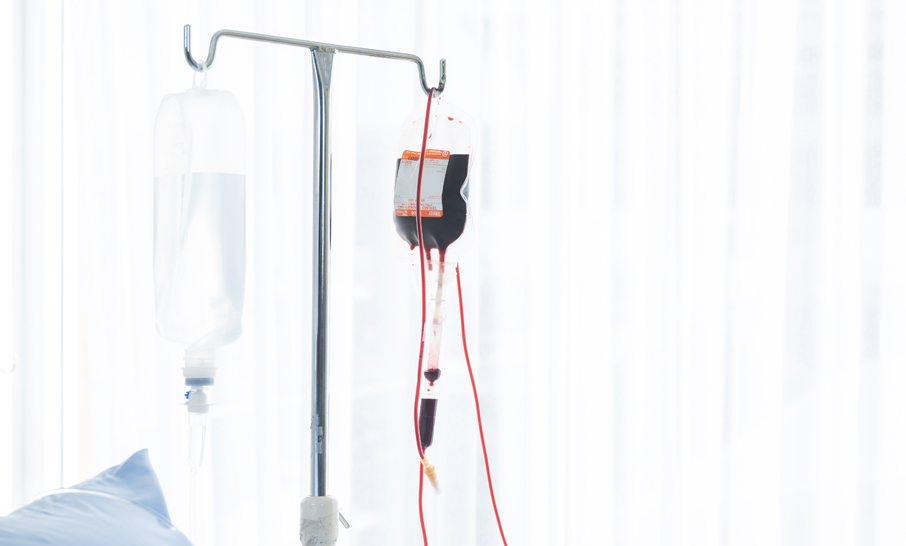
Infuzamed, a medical equipment company, recently introduced a new mobile infusion pump that you can wear, and it’s a game-changer. This small device does away with the bulky wires and poles of traditional pumps, giving patients more freedom to move around.

What sets Infuzamed apart from other portable pumps is its precise control over how much medicine it delivers and the different ways it can be used. Plus, it uses WiFi to keep track of patients’ vital signs in real-time, sending that info to the doctors.

The Infuzamed Wearable Patient Care Modules include:

  • Blood Pressure monitors, including ones that check occasionally and ones that record and send data.
  • A Holter monitor to track heart rhythms and send updates instantly.
  • Monitoring of breathing rate and oxygen levels.

Infuzamed can attach to most pre-filled syringes easily, making sure the medicine goes in just right, whether it’s through an IV or under the skin. Worn on the forearm, it lets patients move more and uses standard disposable syringes.

World’s Largest Genome Discovered

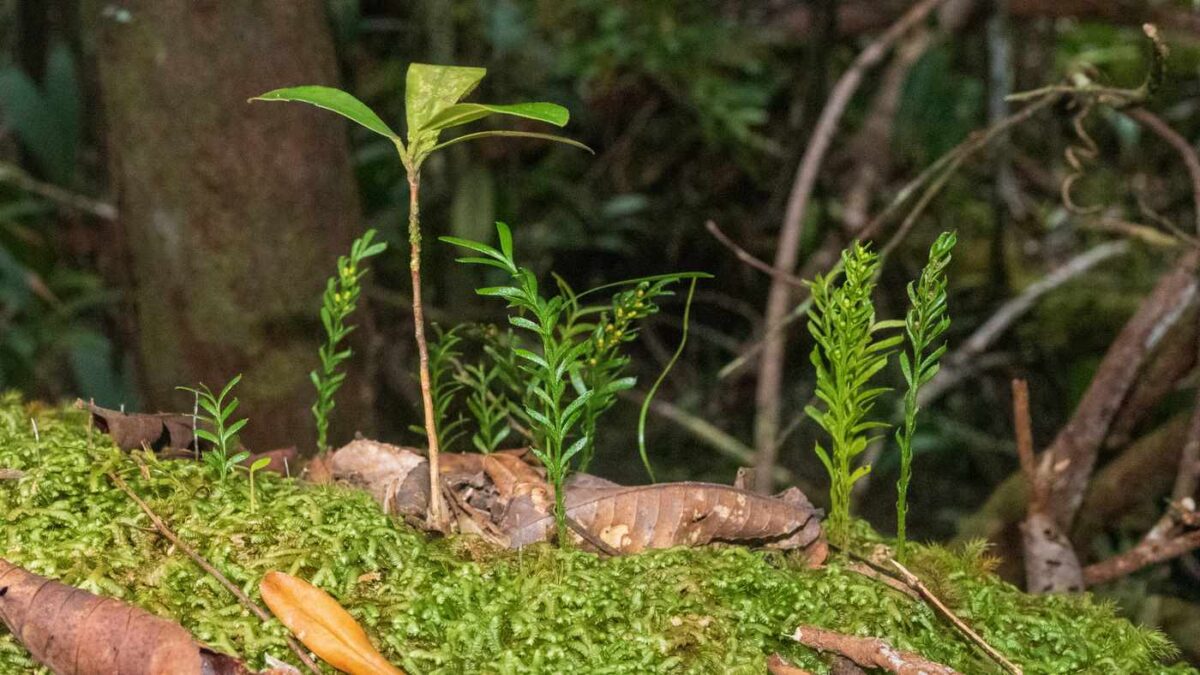
On New Caledonia, a species of fern has been discovered with the longest genome (is the entire set of DNA instructions found in a cell.)of any known living organism.

Its genome is 50 times longer than a human’s, 7% longer than the previous record-holder, and 20% longer than the animal with the longest genome. While humans have 23 pairs of chromosomes, this fern has 416. If unraveled, its DNA would stretch higher than Big Ben in London.

Dr. Ilia Leitch from the Royal Botanical Gardens, Kew, remarked on the significance of this discovery, highlighting the diverse nature of plant DNA and its implications for understanding global biodiversity. She also noted the potential to explore the biological limits of genome size.

Twenty-thousand species have had their genomes sequenced and through that we learned that having a large genome isn’t always beneficial. Larger genomes demand more resources for replication, repair, and transcription, and require a larger cell nucleus.

Dr. Leitch explained to Reuters that species with larger genomes are more prone to extinction, similar to how simpler machines tend to be more durable than complex ones.

Previously, the longest genome was held by the Japanese flowering plant Paris japonica, while the African marbled lungfish (Protopterus aethiopicus) has the longest animal genome. The smallest genome belongs to the fungus Encephalitozoon intestinalis, with 2.6 megabase pairs. In comparison, the New Caledonian fern has 168 gigabase pairs, akin to comparing the file size of Tetris to a modern game like The Witcher.

China’s Moon Probe

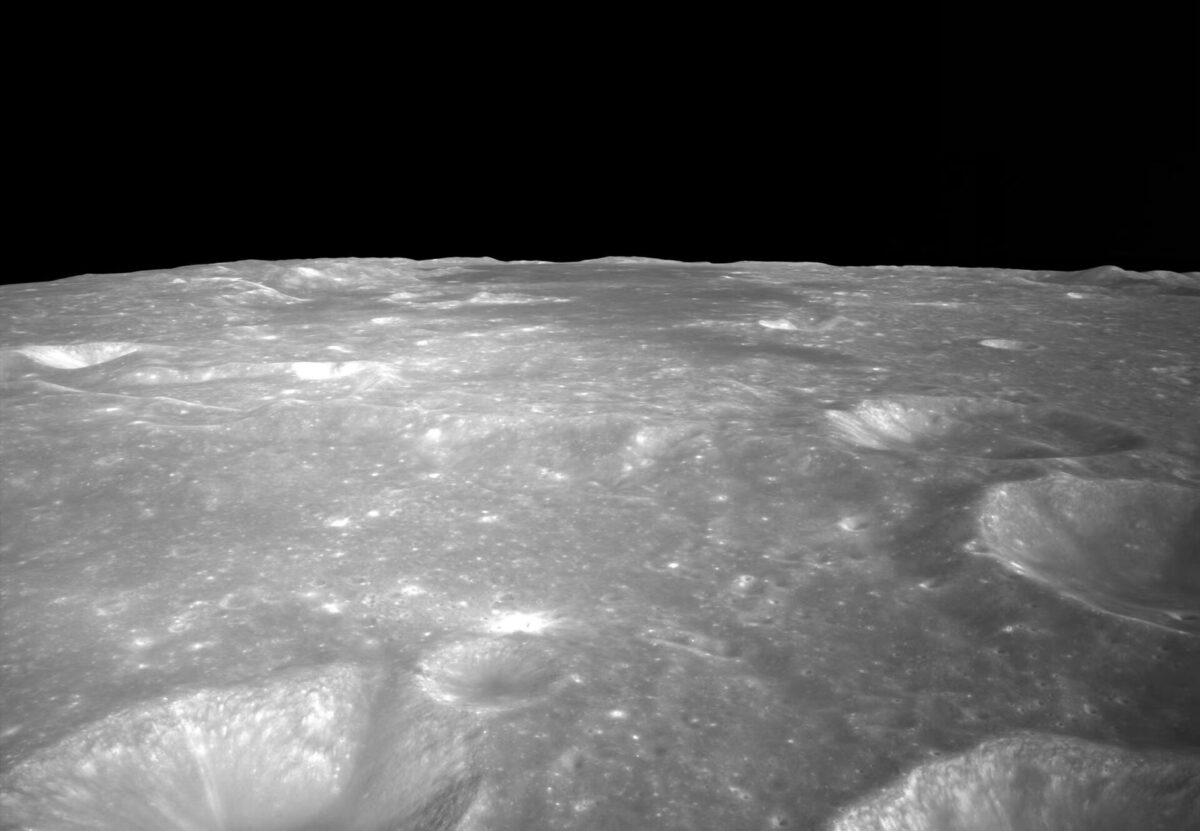
The Chinese space program recently achieved another milestone as its Chang’e-6 probe landed on the Moon’s far side, specifically in the South Pole-Aitken Basin. This mission aims to drill into the lunar soil, known as regolith, to collect samples.

This mission follows five successful lunar missions, including Chang’e-4, which established a weather station on the Moon’s far side, and Chang’e-5, which brought back lunar samples from the polar region—the first since the Apollo missions.

The Apollo Crater, where Chang’e-6 landed, contains some of the Moon’s oldest regolith, estimated to be around 4 billion years old.

Chang’e-6 includes an orbiter, lander, ascent vehicle, and re-entry module. The lander’s mechanical drill arm will collect samples, which will be sent back to Earth via the ascent vehicle, orbiter, and re-entry module. Communication with the probe will be managed through the Queqiao-2 satellite, as direct communication with the Moon’s far side is not possible. If successful, China will be the first nation to land and sample on the far side of the Moon.

Chang’e-6 is the final sample-return mission in the Chang’e series. Future missions, Chang’e-7 and 8, will focus on in-situ experiments to support a permanent Chinese robotic base on the Moon.

The Chinese space program has made significant progress in the last six years. Chang’e-4 and 5 were complete successes, and the CNSA also successfully sent its first orbiter, lander, and rover to Mars on the first attempt. It is hoped that the study of these samples could help scientists solve mysteries about the hemisphere of the moon that permanently faces out into space.

Astounding Lightening Strikes Active Volcano

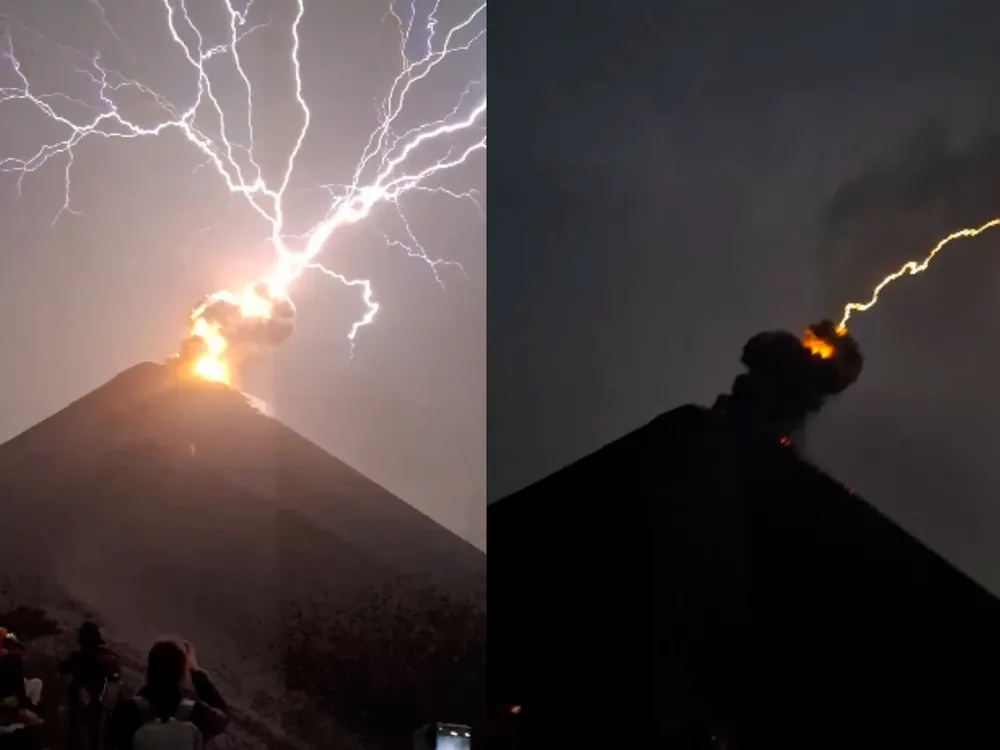
Observers watching the eruption of Volcán de Fuego in Guatemala last month witnessed a spectacular event when lightning appeared to strike the active volcano. Videos of the scene have been circulating online this week, with one captioned: “What are the odds?”

Surprisingly, the odds are quite favorable. Any erupting volcano can produce its own lightning. When volcanoes erupt, they eject gases, lava, rocks, and ash into the air. The ash particles collide with each other, generating static electricity that can lead to lightning.

As the ash particles rub against one another, their atoms either shed or gain electrons, creating positively and negatively charged areas within the ash plume, according to the Center for the Study of Active Volcanoes at the University of Hawaiʻi at Hilo. To maintain a neutral charge, the excess electrons in the negatively charged part of the plume jump across to the positively charged area, temporarily restoring balance and producing lightning.

The most severe lightening storm ever recorded was caused by the eruption of the Tonga volcano. At its peak, the storm produced 2,600 flashes per minute.

Volcanoes that produce lightning are sometimes referred to as “dirty thunderstorms.” Lightning can also be produced by intense wildfires, hurricanes, snowstorms, and surface nuclear detonations, according to the National Severe Storms Laboratory.

Check this Instagram post on this one!

Here are some videos of the breathtaking sight: