NASA Releases Stunning Images

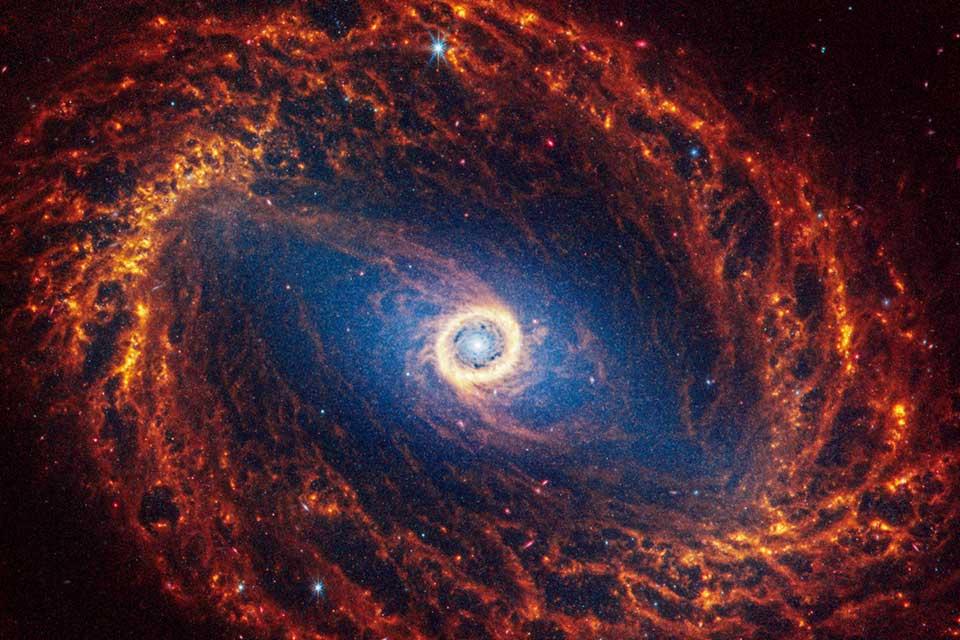
NASA recently shared an impressive collection of 19 images depicting 13 spiral galaxies, a feat made possible by the James Webb Space Telescope. These galaxies are part of the Physics at High Angular resolution in Nearby GalaxieS (PHANGS) initiative, which engages over 150 astronomers globally in its efforts.

The space agency expressed its fascination with these celestial structures, stating, “It’s oh-so-easy to be absolutely mesmerized by these spiral galaxies. Follow their clearly defined arms, which are brimming with stars, to their centers, where there may be old star clusters and – sometimes – active supermassive black holes.” This initiative showcases the unique ability of the James Webb Space Telescope to capture detailed imagery of galaxies in a combination of near and mid-infrared light, unlike any other existing telescopic technology.

Janice Lee, a project scientist for strategic initiatives at the Space Telescope Science Institute, remarked, “Webb’s new images are extraordinary. They’re mind-blowing even for researchers who have studied these same galaxies for decades.” She elaborated on the level of detail now observable, pointing out how the telescope’s capabilities have unveiled previously unseen aspects of star formation.

The images detail both the vastness and intricacies within these spiral galaxies, made possible by the telescope’s sensitivity to infrared light. This sensitivity is crucial because many dim stars and gas or dust clouds do not emit enough visible light on their own but can be observed in the infrared spectrum.

Thomas Williams, a postdoctoral researcher at the University of Oxford, shared his experience working with these images, saying, “I feel like our team lives in a constant state of being overwhelmed—in a positive way—by the amount of detail in these images.” The NIRCam (Near-Infrared Camera) of the telescope captured millions of stars in these images, which appear in blue tones. Some stars are dispersed across the spiral arms, while others are densely packed in star clusters. Furthermore, the telescope’s MIRI (Mid-Infrared Instrument) data brings out the glowing dust, revealing stars in early stages of formation encased in gas and dust, likened to “bright red seeds at the tips of dusty peaks.”

If you want to see all the images, you can find them here.

Important: If you want to see the highest resolution images, click on the “Webb and Hubble” images, which show images of the same galaxies shown though the Webb and Hubble telescopes. Then click on “Zoom Image” and that will give you the full Webb image.

They are absolutely stunning, I would highly recommend checking them out.
Gray Whale ‘Extinct’ for Centuries—Spotted in Cape Cod

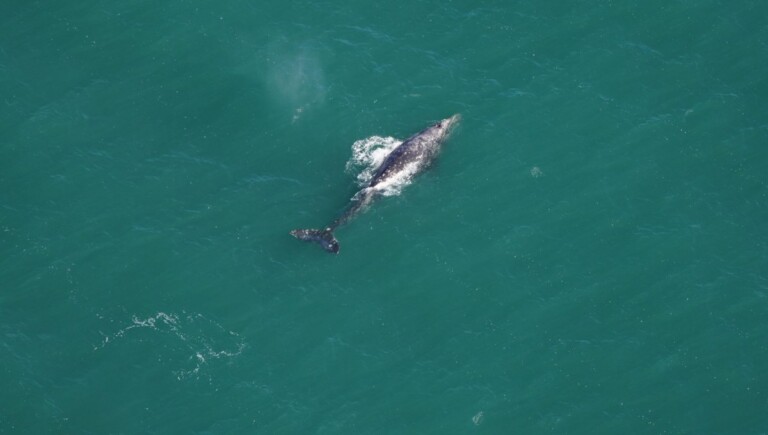
In an extremely rare occurrence, the New England Aquarium aerial survey team spotted a gray whale off the New England coast last week—a species thought to be extinct in the Atlantic for over 200 years..

On March 1, while flying 30 miles south of Nantucket, aquarium scientists observed a peculiar whale engaging in repetitive diving and surfacing behavior, indicative of feeding. The aerial survey plane circled the area for 45 minutes, allowing for additional photo documentation. Upon reviewing the images, the scientists confirmed their initial disbelief—it was indeed a gray whale.

Orla O’Brien, an associate research scientist at the Anderson Cabot Center for Ocean Life at the New England Aquarium, initially expressed her skepticism, stating, “I didn’t want to say out loud what it was because it seemed crazy.” Kate Laemmle, a research technician present on the plane, described the sighting as both wild and exciting, given the species’ long absence from Atlantic waters.

Gray whales are typically found in the North Pacific Ocean, identifiable by their distinctive features such as the absence of a dorsal fin, mottled grey and white skin, and a dorsal hump with pronounced ridges. Although extinct in the Atlantic by the 18th century, there have been recent observations in Atlantic and Mediterranean waters, including off the coast of Florida in December 2023.

Aquarium scientists suspect the gray whale sighted off New England is the same one observed in Florida late last year. Climate change is proposed as a contributing factor to these unusual sightings, with the ice-free Northwest Passage connecting the Atlantic and Pacific through the Arctic Ocean, allowing gray whales to potentially travel during the summer.

A historical account from 1729 mentioned the last sighting of a gray whale off the Massachusetts coast. But now, it seems like they might be back.

Airbnb Bans Indoor Cameras

Airbnb has announced a significant update to its policy on security devices within its listings, effectively prohibiting the use of indoor security cameras across all properties offered on the platform. This decision, driven by privacy concerns, marks a departure from the company’s previous stance, which permitted the use of cameras in shared spaces such as hallways and living rooms, provided they were disclosed in the property’s listing details.

The move to eliminate even these previously allowed cameras underscores Airbnb’s commitment to enhancing privacy for its users. “Our goal was to create new, clear rules that provide our community with greater clarity about what to expect on Airbnb,” explained Juniper Downs, Airbnb’s head of community policy and partnerships, in a statement. She highlighted that the policy adjustments were the result of consultations with hosts, guests, and privacy specialists, emphasizing the platform’s openness to ongoing feedback to ensure the regulations align with the needs of Airbnb’s diverse, global user base.

While Airbnb acknowledges that this policy change will likely affect only a limited number of listings, as the majority do not feature indoor cameras, the revision is part of a broader update that also touches on outdoor security cameras and devices such as noise decibel monitors. These must now be explicitly mentioned in the listings.

The policy shift has been met with approval from privacy advocates, including the Surveillance Technology Oversight Project (STOP). STOP’s executive director, Albert Fox Cahn, commended the initiative, stating, “No one should have to worry about being recorded in a rental, whether the bedroom, the living room, or a hall. Getting rid of these cameras is a clear win for privacy and safety, and we know that these recording devices are ripe for abuse.”

In the midst of this policy overhaul, Airbnb continues to experience robust demand, as evidenced by nearly doubling its share price since a low point in December 2022 and recording a historic 99 million bookings in its most recent quarter. The company, which has also engaged in stock purchases contributing to the price increase, is now embarking on a journey to “reinvent” itself over the coming years.

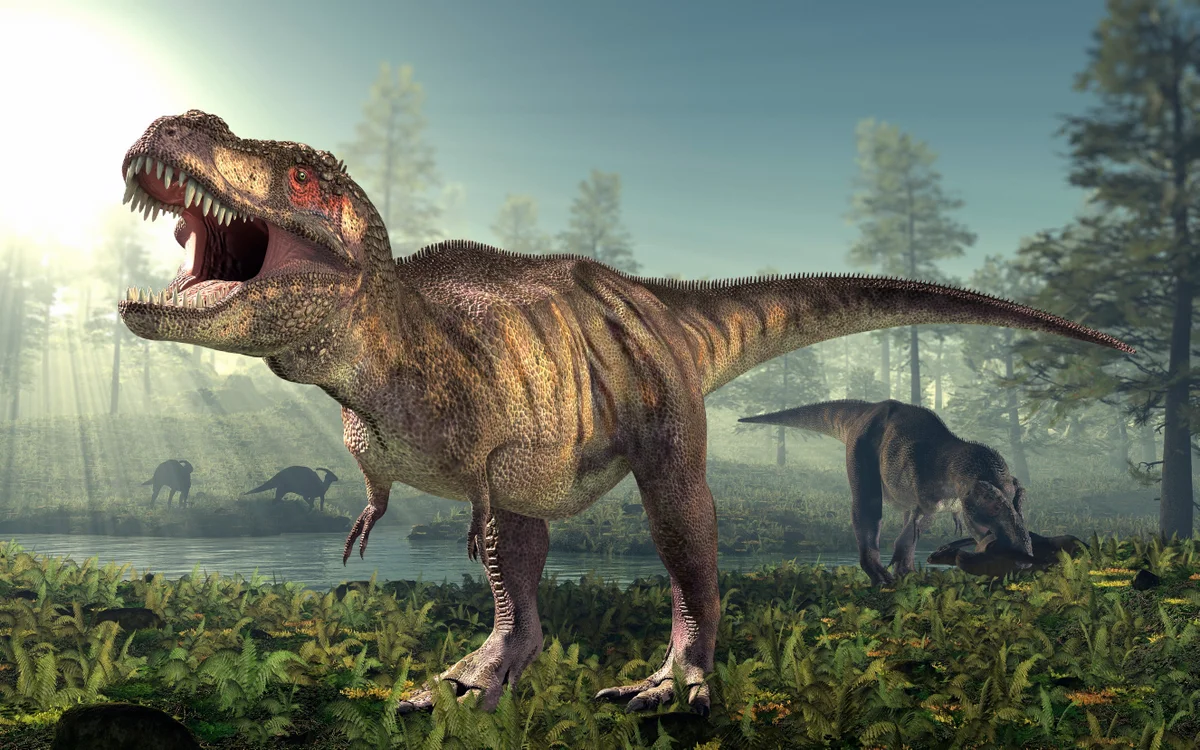
What Dinosaurs Actually Sounded Like

We have all watched movies with terrifying dinosaurs in them. (unless you don’t like dinosaur movies…)

The loud roar of the T.Rex from the Jurassic Park movies have become very iconic and show up in our popular media all the time. But is that actually what they sounded like?

While it is impossible to get an exact replica of how a T.Rex would sound, researchers have a pretty good idea.

If you are just interested in the possible sound the T.Rex produced, just skip to the 3:43 minute mark on the video. If you want to know how scientist go about approximating these sounds, then I would recommend starting from the beginning of the video.

Chernobyl Worms Could Help in Human Cancer Research

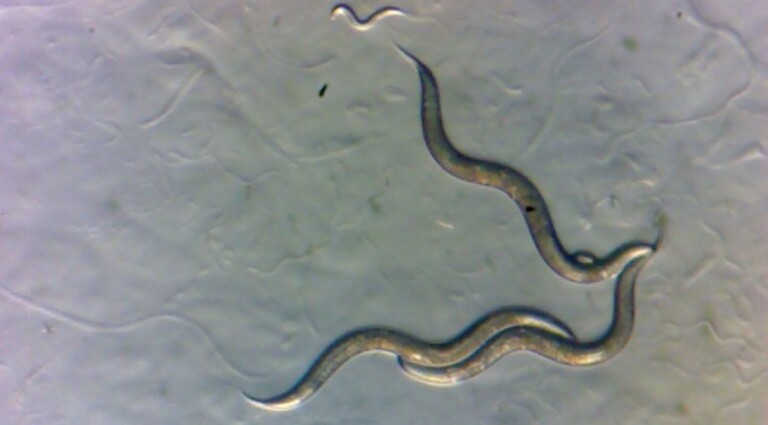
The 1986 Chernobyl nuclear disaster left the surrounding area severely radioactive. Interestingly, researchers have recently found worms that thrive in these conditions, which could be pivotal for cancer research.

Despite human evacuation, various plants and animals thrived in the Chernobyl Exclusion Zone, prompting researchers to investigate the impact of chronic radiation on DNA.

A study led by New York University reveals that microscopic worms in Chernobyl today have not suffered genome damage from chronic radiation, suggesting exceptional resilience. This finding may shed light on why some individuals with a genetic predisposition to cancer develop the disease, while others do not.

In a 2019 expedition to the Chernobyl Exclusion Zone, a team, including NYU’s Sophia Tintori and Professor Matthew Rockman, gathered these worms across different radiation exposure levels. Using Geiger counters to measure radiation and wearing protective gear, the researchers’ analysis in both Ukrainian and NYU labs revealed the worms’ surprising resistance to radiation.

Focusing on the Oscheius tipulae species, the study unearthed that these worms’ resilience to DNA damage did not correlate with the radiation levels in their environment, challenging previous assumptions about the impact of radiation on evolutionary processes. These findings suggest that the Chernobyl worms haven’t evolved specifically to withstand radiation. The study offers insights into DNA repair variability, which could further our understanding of human cancer susceptibility.

Despite the lack of a genetic signature indicating radiation damage, researchers designed a system to assess how different worm populations grew and responded to various DNA damage types. Surprisingly, worm lineages’ tolerance to DNA damage did not correlate with radiation levels at collection sites.

Contrary to expectations, the study suggests that worms in Chernobyl are not inherently more radiation-tolerant, and the radioactive landscape did not force them to evolve. These findings provide insights into variations in DNA repair and offer potential applications for understanding natural variation in humans.

Sophia Tintori confirmed the study’s implications for cancer research “Now that we know which strains of O. tipulae are more sensitive or more tolerant to DNA damage, we can use these strains to study why different individuals are more likely than others to suffer the effects of carcinogens,”