Jasmin Paris: First Woman to Finish Barkley Marathon


British runner Jasmin Paris made history by becoming the first woman to complete the grueling Barkley Marathons. Paris crossed the finish line with a time of 59 hours, 58 minutes, and 21 seconds, a mere 99 seconds before the 60-hour limit, collapsing in exhaustion as she finished.

Paris joined a select group of five finishers in the 2024 Barkley Marathons, including Ukrainian Ihor Verys who finished first, followed by Americans John Kelly and Jared Campbell in second and third place, respectively, and Greig Hamilton from New Zealand in fourth.

Paris gained recognition in 2019 for winning the Spine Race, setting a new record and becoming the first woman to win the 268-mile race.

The Barkley Marathons, known for its extreme difficulty, is considered one of the toughest foot races globally. Held in Tennessee’s Frozen Head State Park, the race was inspired by the 1977 prison escape of James Earl Ray, with its challenging terrain and unpredictable conditions.

Participants tackle five loops of roughly 20 miles each, totaling between 100 to 130 miles, with an elevation gain of approximately 63,000 feet. Runners navigate steep inclines and rough terrain without aid stations, phones, or GPS, often getting lost or injured along the way.

The race features unique unmanned checkpoints, where athletes must tear out a page from a corresponding paperback book to prove they reached each checkpoint.

With a dropout rate of 99%, the Barkley Marathons present a formidable challenge, with no finishers between 2017 and 2023.
Potential HIV Cure?

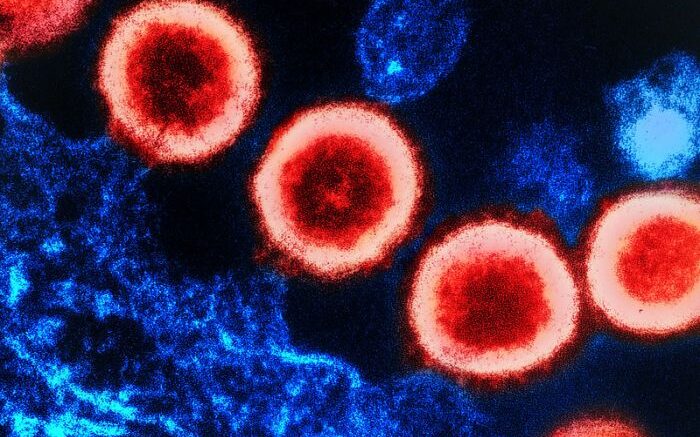
A recent study has revealed a potential future treatment for HIV involving the use of molecular tools to remove HIV DNA from infected cells. This technique employs CRISPR-Cas gene editing technology, recognized for its precision in altering a patient’s genetic makeup, an achievement acknowledged with the Nobel Prize in Chemistry in 2020.

HIV poses a challenge in treatment due to its ability to integrate into the host’s DNA, complicating eradication efforts. However, CRISPR-Cas offers a promising avenue to target and isolate HIV DNA

Given the virus’s ability to infect diverse cells and tissues in the body, researchers aim to develop a method effective across these different environments.

The study, to be presented at the upcoming European Congress of Clinical Microbiology and Infectious Diseases, utilized CRISPR-Cas along with specific guide RNAs to target conserved HIV sequences. This approach demonstrated significant antiviral efficacy, effectively neutralizing HIV and removing viral DNA.

Associate Professor Elena Herrera Carrillo from the University of Amsterdam AMC emphasized the significance of these findings, describing them as a step forward in developing a cure strategy.

Although the path to clinical application is long, the researchers are encouraged by these initial results. Currently, HIV is managed with antiretroviral medication, but true cures remain elusive. Dr. Carrillo stressed the importance of balancing efficacy and safety in this potential cure strategy.

Beautiful: Metallica Meets Polish Tradition

One of the great things about our modern era is the ability to see and listen to things from cultures far away from us.

A particularly enchanting example of this is when something, in this case music, is combined from two different cultures and creates something unique and beautiful.

Great News For Some Americans

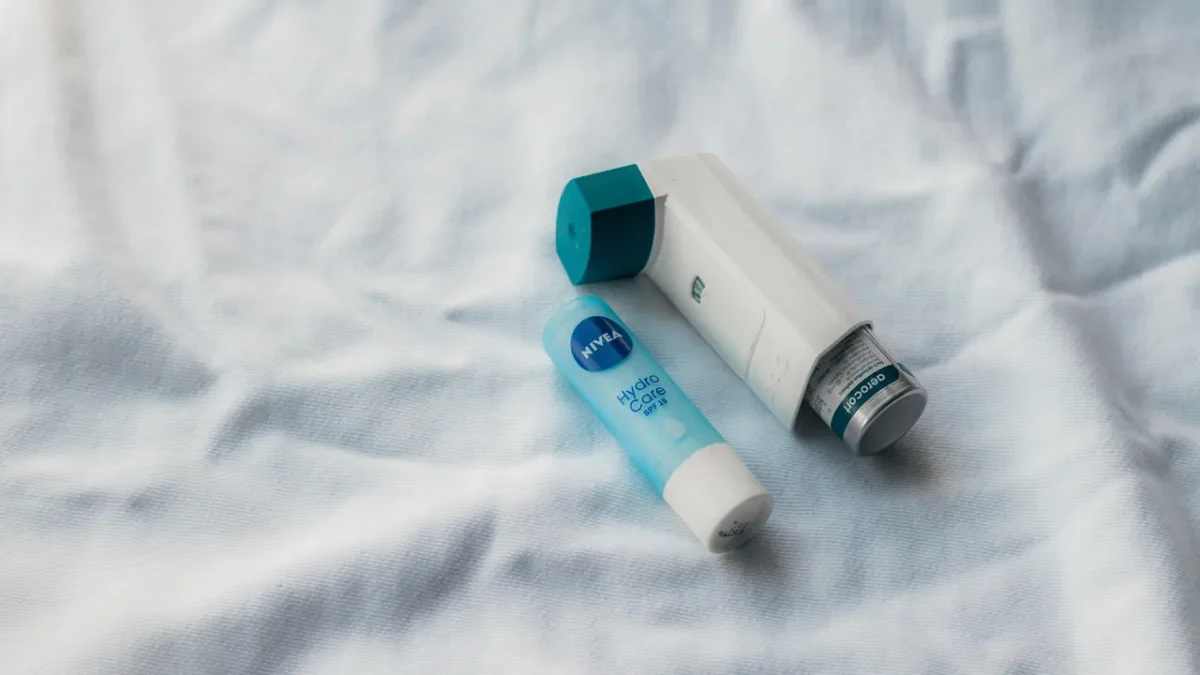
There’s great news for some Americans: inhalers are set to become significantly more affordable.

Three leading inhaler manufacturers have committed to capping the out-of-pocket costs of their inhaler products and similar respiratory medications at $35 a month for certain patients in the U.S.

GlaxoSmithKline, a British pharmaceutical company, announced its price cap last week, joining AstraZeneca and Boehringer Ingelheim in this initiative.

However, Teva Pharmaceuticals, another key player in the inhaler market, has yet to announce a similar price cap.

These cost-capping measures by the three companies will not be implemented immediately and are the result of mounting pressures rather than spontaneous decisions.

In January, Senate Committee on Health, Education, Labor, and Pensions initiated an inquiry into the pricing practices of these four companies, questioning why inhalers cost more in the U.S. than in other nations.

This scrutiny is part of ongoing criticism and public frustration directed at the wider pharmaceutical industry for high healthcare expenses in the U.S. Following similar pressure, last year Eli Lilly, Novo Nordisk, and Sanofi significantly reduced the prices of certain insulin products for some U.S. patients.

So, who depends on inhalers, and what do they typically cost?

Inhalers are essential for people with chronic respiratory conditions like asthma or chronic obstructive pulmonary disorder (COPD), allowing them to manage symptoms and provide relief during severe episodes, such as asthma attacks.

Approximately 25 million Americans live with asthma, and about 16 million are affected by COPD. The high cost of inhalers has forced many patients to ration their use, a concerning practice highlighted by the Senate HELP committee in January.

For a pricing comparison, most of these respirators are between $300-600 in the U.S., whereas they are generally between $9-50 in USD equivalent in many European countries.

Lyme Disease Vaccine In Its Final Clinical Trial

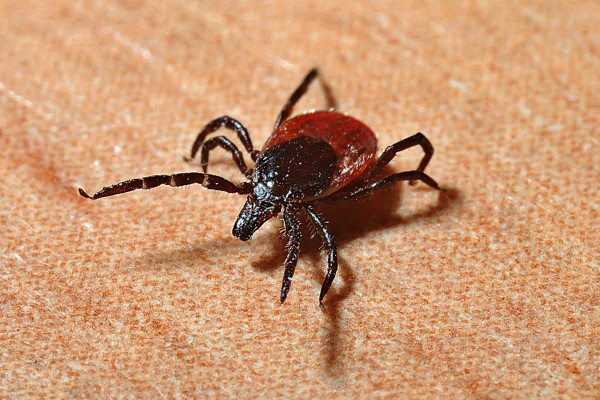
A forthcoming vaccine for Lyme disease is undergoing its final clinical trial, announced by French pharmaceutical company Valneva, in collaboration with Pfizer. This vaccine, dubbed VLA5, demonstrated a robust immune response during Phase 2 trials.

The upcoming Phase 3 trial will enlist 6,000 participants worldwide, focusing on regions with high Lyme disease prevalence such as Finland, Germany, the Netherlands, Poland, Sweden, and the United States. By targeting the outer surface protein (OspA) of the Borrelia burgdorferi bacteria transmitted by ticks, the vaccine aims to prevent human infection.

Annaliesa Anderson, Ph.D., Senior Vice President and Head of Vaccine Research & Development at Pfizer, expressed anticipation for the Phase 3 results, emphasizing collaboration with research sites in the U.S. and Europe.

With over 476,000 annual Lyme disease cases in the U.S. and a 5.8 percent global incidence rate, the potential impact of this vaccine is substantial. Given Lyme disease’s capacity to progress into chronic illness, the prospect of preventing debilitating conditions for millions is a significant development.