Human Brain Size Increase May Have A Shocking Result

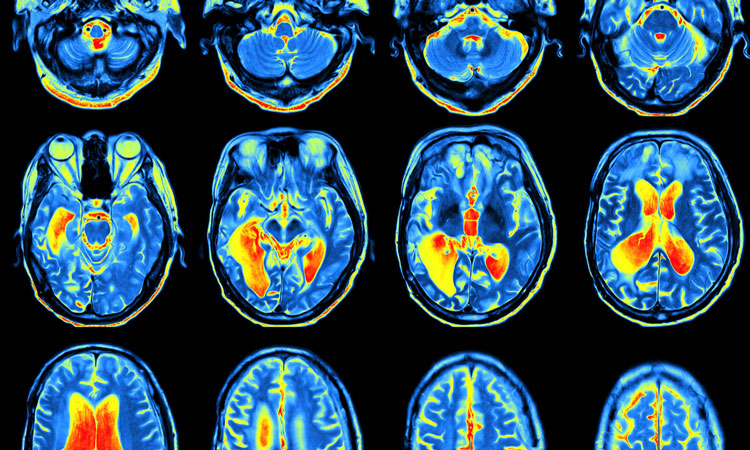
Compared to individuals who served in World War II and those who awaited their return, recent research indicates that the average human brain size has increased by 6.6%. Additionally, modern brains exhibit approximately a 15% increase in surface area.

These findings suggest a potential advantage for contemporary humans in combating neurodegenerative diseases like dementia, which often correlate with brain shrinkage.

The study, conducted by a team at UC Davis, analyzed brain changes over 75 years across generations. Dr. Charles DeCarli, the director of the UC Davis Alzheimer’s Disease Research Center, notes that larger brain structures observed in the study may signify enhanced brain development and health, potentially serving as a buffer against age-related brain diseases.

Published in JAMA Neurology, the study utilized brain magnetic resonance imaging (MRIs) from participants in the Framingham Heart Study conducted between 1999 and 2019. This ongoing study, initiated in 1948, examines cardiovascular and other diseases among participants spanning multiple generations.

Dr. DeCarli highlights the impact of birth decade on brain size and long-term health, stating that life choices, such as those related to health, social activity, and education, may influence brain size.

The study, involving 3,226 participants with an average age of around 57 at the time of the MRI, revealed consistent increases in several brain structures over time. For instance, individuals born in the 1970s exhibited a 6.6% greater brain volume compared to those born in the 1930s. Moreover, cortical surface area increased by nearly 15% over the same period.

Despite the growing elderly population in the United States, the incidence of Alzheimer’s disease is decreasing, which may be partly attributed to improved brain health and size. A prior study reported a 20% reduction in dementia incidence per decade since the 1970s.

I really want to know what caused this change. Hopefully they will do more research on it. Also, I would expect that bigger brains would make you smarter. Unfortunately, I can’t say I have seen any real-life evidence for that… 😉
A New Type of Food Bank

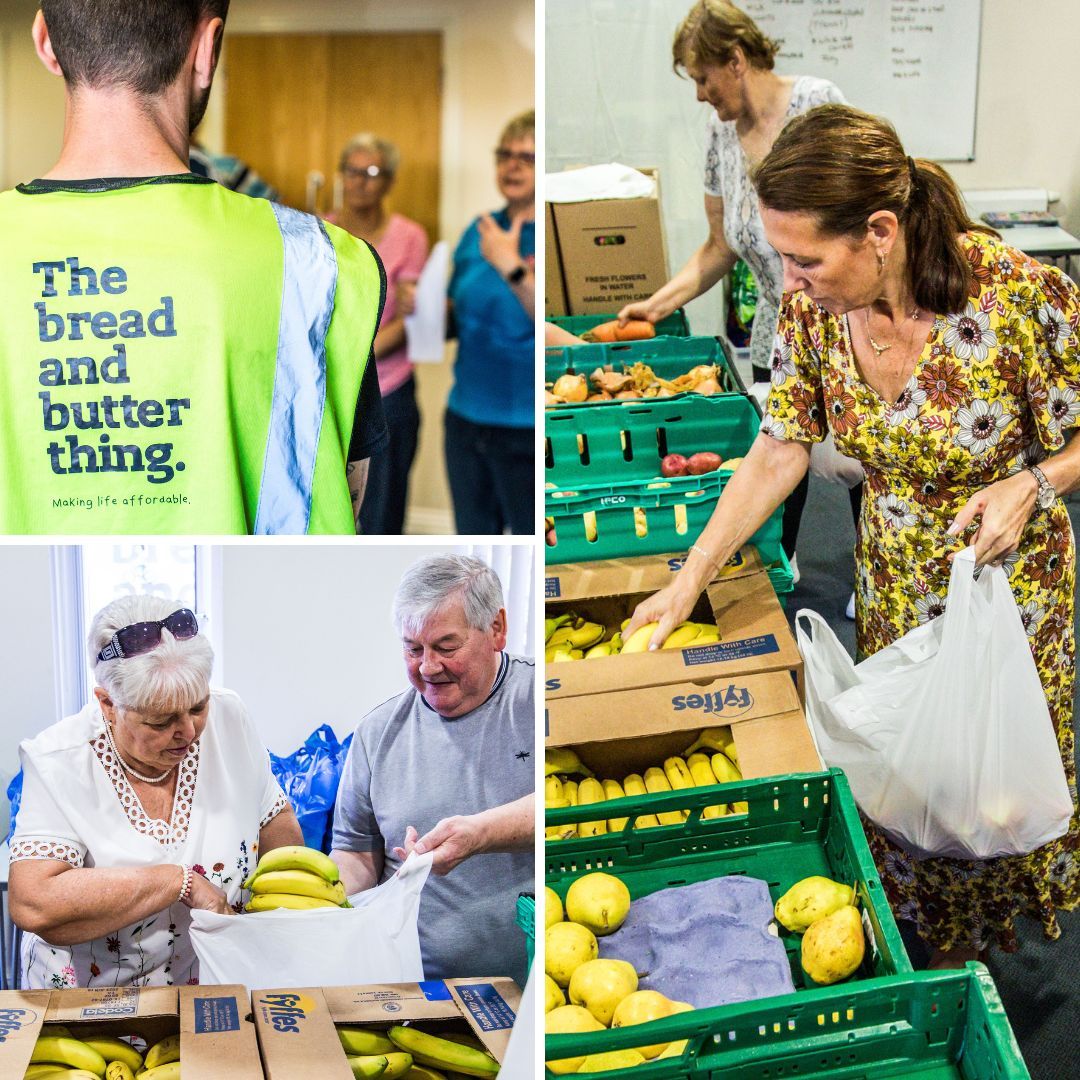
“The Bread and Butter Thing” is a network of food banks across the UK, but with an interesting twist. These centers not only distribute food but also serve as community connectors, offering a potential blueprint for similar initiatives.

Visiting any of the 90 hubs managed by The Bread and Butter Thing offers a surprise regarding the food you’ll take home. What’s certain, though, is the warm welcome you’ll receive, complete with engaging conversations and plenty of tea. Additionally, professionals are often available to provide guidance on employment opportunities, social housing, parenting, and mental health.

The food, ranging from salmon and celeriac to strawberries, is surplus from farms, factories, and supermarkets, all diverted from potential waste. This approach distinguishes it from traditional food banks.

With the efforts of The Bread and Butter Thing, over 100 tonnes of food are rescued from waste each week, translating to around one million meals a month. This initiative not only prevents waste but also helps its 45,000 members save more than £4.8 million annually.

The organization’s success is measured not just in significant figures but in its qualitative impact as well. It brings affordable, nutritious food to areas lacking fresh produce and fosters a sense of community through the sharing of healthy recipes. The goal is to effect enduring positive change in communities facing challenges.

Volunteers deliver the food using refrigerated vans. The food bank volunteers then unload everything and pack the food into bags. Each customer receives three bags for a total of £8.50. The actual value of the three bags is usually well over £35.

After receiving their bags, customers can sit, drink tea or coffee, and eat biscuits or cake provided. People are encouraged to stay and socialize. The Bread and Butter Thing frequently arranges for specialists to engage with the community on important topics such as mental health and social housing. Last year, the organization distributed complimentary tablets, enabling individuals to access the internet for job applications and to seek information on benefits.

This unique model has garnered recognition, earning The Bread and Butter Thing the Community Partnership of the Year award at the latest Global Good Awards. Launched in 2015, these awards celebrate entities worldwide that lead in sustainable, ethical, and purpose-driven initiatives.

US Sportsbooks Join Forces To Combat Problem Gambling

Seven leading gaming corporations in the nation are uniting to establish a trade organization aimed at advocating for responsible gambling practices. This initiative, a first of its kind, will involve sharing data on problem gambling.

The Responsible Online Gaming Association, abbreviated as ROGA, was introduced by companies including Fanatics Betting & Gaming, Hard Rock Digital, and bet365 on March 27th.

These companies, representing over 85% of the U.S. legal online betting market, have collectively committed over $20 million to support ROGA’s initiatives.

Jennifer Shatley, the executive director of ROGA, expressed enthusiasm about advancing the association’s mission to enhance research, develop evidence-based practices, and equip players with valuable information.

ROGA’s members are dedicated to collaborating on various fronts, such as educational efforts, establishing responsible gaming protocols, and ensuring ethical advertising and marketing throughout the sector.

Moreover, ROGA plans to set up a novel independent platform for exchanging crucial consumer protection information, although the specifics of this system remain to be detailed.

The organization also intends to launch a certification scheme to evaluate and promote the responsible gaming measures of its members, encouraging wider industry engagement.

The formation of this consortium is timely, as sports betting has expanded rapidly in the U.S. since 2018. Currently, thirty-eight states and Washington, D.C. offer legal sports betting.

Notably, this year’s Super Bowl saw a record-breaking number of bets placed, with online transactions reaching nearly 15,000 per second, a figure that doubles last year’s peak, as reported by GeoComply.

Caesars, a significant player not participating in ROGA’s formation, shared with CNBC its confidence in its own Responsible Gaming practices, built upon 35 years of experience in the field. The company praised the efforts towards responsible online gaming but reaffirmed its commitment to its approach.

It is fantastic to see companies taking steps to combat gambling addictions and encouraging responsible gaming!

Are Bees Smarter than We Think?

A study published in Nature suggests that bumblebees possess the ability to teach each other complex behaviors.

In this research, bees were trained to solve a puzzle in exchange for a sugary reward. Remarkably, these trained bees were able to pass on their acquired skills to other bees, indicating that bees can engage in social learning of behaviors previously thought to be beyond their capacity.

The concept of culture, often discussed in human context, refers to socially learned behaviors that persist over time. Evidence suggests that animal culture, like human culture, can involve cumulative learning, where new behaviors build upon existing ones.

While human cumulative culture involves behaviors of considerable complexity, previously thought beyond individual discovery, such phenomena had not been observed in invertebrates.

Alex Thorton, a co-author of the study, points out the unique attribute of human species: the progressive improvement of skills and technologies through the spread and refinement of innovations.

Unlike humans, bumblebees rely on social learning to acquire non-natural behaviors like string-pulling and ball-rolling for rewards. To investigate their capacity for learning complex behaviors, researchers designed a challenging two-step puzzle box.

Despite ample time, individual bees from different colonies couldn’t independently solve the puzzle. However, after just two days of training, demonstrator bees could successfully complete the task, often requiring rewards at the initial step. Subsequently, untrained bees quickly learned the puzzle-solving technique from the demonstrators without needing a reward, suggesting social learning and potential cultural transmission among bumblebees.

Check out the bees in action below:

New Treatment for Rare, Deadly Lung Condition

On Tuesday, the Food and Drug Administration (FDA) approved a novel treatment developed by Merck, Winrevair, aimed at treating a severe and progressive lung disease, marking a significant advancement for both the pharmaceutical company and individuals diagnosed with the rare condition.

Winrevair has been authorized for the treatment of adults with pulmonary arterial hypertension (PAH), a condition affecting roughly 40,000 Americans. This drug stands out as the first to directly tackle the underlying cause of PAH, whereas existing medications have focused on symptom management.

PAH is characterized by the narrowing of small blood vessels in the lungs, leading to elevated blood pressure in the arteries that transport blood from the heart to the lungs. This condition can severely damage the heart and limit physical activity, with a 43% mortality rate within five years of diagnosis, according to data from Merck.

Merck anticipates that Winrevair will be accessible through selected specialty pharmacies in the U.S. by the end of April. The medication, which is administered as an injection every three weeks, will be available in kits containing either one or two vials.

The cost of Winrevair is expected to be set at $14,000 per vial before insurance adjustments, as stated by a Merck representative. However, the company is offering a program to assist eligible patients with their out-of-pocket expenses and copayments.

Designed to be used in conjunction with other treatments for PAH, Winrevair aims to enhance exercise capacity, alleviate the severity of the condition, and lower the risk of disease progression.

This FDA approval is particularly crucial for Merck as it seeks to diversify its revenue sources ahead of the 2028 patent expiration of its best-selling cancer drug, Keytruda.

The approval was based on the results of a late-stage clinical trial involving over 300 PAH patients at a moderate stage of the disease who were already on another treatment for their condition. The trial demonstrated that patients taking Winrevair in addition to their existing therapy could walk approximately 40.8 meters further in six minutes after 24 weeks compared to those on a placebo.

The improvement in mobility and the increased ability to exercise is tremendous, as PAH significantly restricts patients’ physical activities due to symptoms like severe shortness of breath. Moreover, when combined with another medication, Winrevair notably achieved eight out of nine secondary objectives in the study, including an 84% reduction in the risk of death or deterioration of the condition compared to those on an existing treatment alone.