Sand Batteries

Sand batteries are emerging as an effective way to store energy from intermittent sources like solar and wind. The physical properties of sand, particularly its ability to store heat at high temperatures, make it ideal for energy retention. Technologies leveraging these properties aim to create a more stable and reliable energy supply, with sand efficiently accumulating and releasing heat as needed.

The science behind sand batteries involves heating sand to high temperatures using surplus energy from renewable sources. This stored heat can then be converted back into energy when required. This system uses the thermal properties of sand to create a natural battery, offering both heating and electricity generation.

Patrick Davenport from the National Renewable Energy Laboratory (NREL) notes, “Sand and concrete silos with refractory insulation are very inexpensive materials that can lead to low-cost energy storage.”

Key players in this technology include Polar Night Energy in Finland, which has implemented a sand battery for residential and commercial heating, and EnergyNest in Norway, specializing in thermal energy storage. Sand’s abundance, low cost, eco-friendliness, and long-term heat storage capabilities make it an attractive option for stabilizing renewable energy systems and providing a reliable energy supply during low sunlight or wind.

Sand battery technology is being tested and used in various projects worldwide, demonstrating its viability and potential scalability. Despite this potential, there are still challenges. Large-scale development and deployment of sand batteries require significant research and investment.
Meteorites From Mars Found on Earth

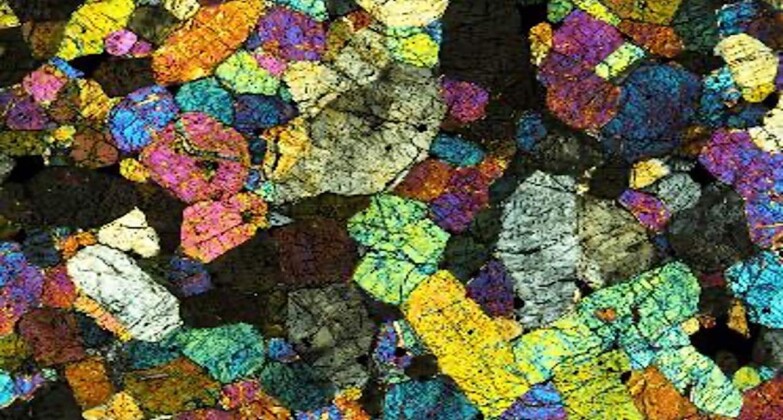
Eleven million years ago, a meteorite impact on Mars sent fragments to Earth, providing unique insights into Mars’ composition. Scientists at Scripps Institution of Oceanography analyzed these Martian meteorites, collected from locations such as Africa and Antarctica.

These meteorites are the only physical pieces of Mars that we have. Their research is crucial for understanding Mars’ formation and evolution and it also helps inform current ongoing NASA missions like Insight and Perseverance.

Led by geologist James Day, the team focused on nakhlites and chassignites, meteorites originating from a single Martian volcano. These samples, identified by their unique compositions and young age, match the Martian atmosphere data from the 1970s Viking landers.

Published on May 31 in Science Advances, the study revealed that these rocks formed through fractional crystallization in a Martian volcano and included crustal material altered by the Martian atmosphere. These findings enhance our understanding of Mars’ internal structure and offer a glimpse into the conditions of early Earth.

Canada’s 1st Free Grocery Store

Saskatchewan is opening Canada’s first free grocery store, thanks to the Regina Food Bank’s ongoing efforts to support the community.

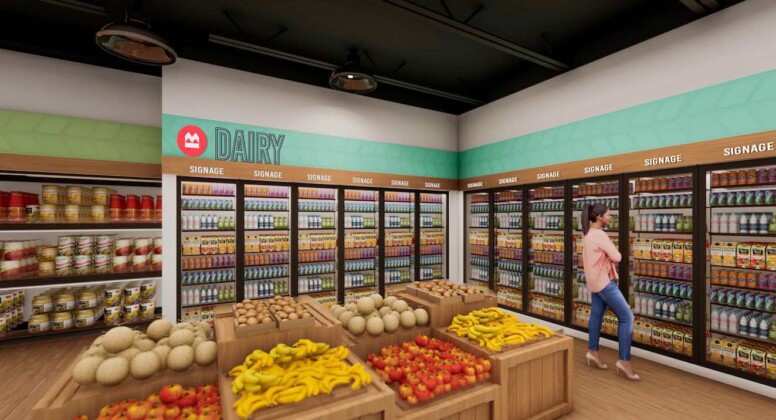
Located at 1881 Broad St. in Regina, the Food Hub will resemble a regular grocery store with a produce section, display fridges, and extended hours, unlike other food aid projects that often operate out of churches or community centers.

The Regina Food Bank aims to restore agency to those who rely on their services by allowing them to shop like at a regular store, which can also help reduce waste and feed more people.

“When you give choices, you give dignity and can feed about 25% more people,” said Regina Food Bank vice-president David Froh.

People sometimes run into difficulty with standard food banks that use pre-packaged crates of canned or boxed goods because they can’t cater to dietary restrictions, allergies, proper nutrition, or taste preferences.

“Normally, I barter with neighbors, but many people can’t do that, so a lot of food goes to waste,” said customer Jon White.

The Regina Food Bank serves not just the homeless or those in severe need but also working individuals and students. About 18% of its customers are full-time workers, and 2,000 students receive snacks and meals through their programs. One goal of the Food Hub is to reduce the stigma associated with using a food bank.

Without government subsidies, the Food Bank raised the CAD$3.7 million needed for the Food Hub through private donations, including CAD$1 million from The Mosaic Company. Much of the food is locally produced, supporting the Food Bank’s mission to improve the sustainability and nutritional quality of its offerings.

Grandmother’s 29-Mile Swim

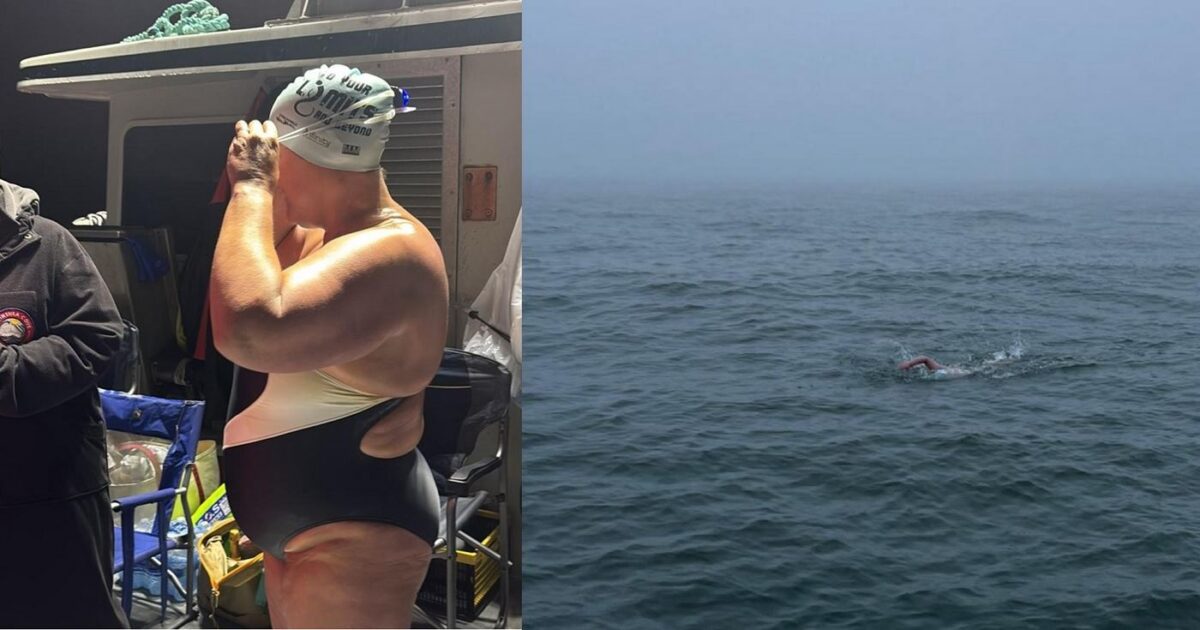
A 55 year-old grandmother, who describes herself as overweight, became the first woman to swim from San Francisco’s Golden Gate Bridge to the Farallon Islands, a distance of nearly 30 miles.

Amy Appelhans Gubser, a former collegiate swimmer, hadn’t attempted such a feat in 24 years. She faced cold waters, sharks, and jellyfish—all without a wetsuit.

Gubser started her swim at 3:27 a.m., plunging into the waters near her support vessel, and swam for 17 hours, reaching the Farallons after nightfall. An agent from the Marathon Swimmers Federation observed her swim, which is pending verification. If confirmed, she will be the first woman to complete this swim and the first person to do it from the bridge to the islands.

Despite the shark-infested waters, Gubser entered a “meditative state,” interrupted only by snack breaks every thirty minutes.

She chose not to wear a wetsuit to comply with MSF rules, despite the warmth and buoyancy it would have provided. “When you wear a wetsuit, your skin rubs against the material, and I didn’t want my skin to bleed near a shark island,” she said.

Gubser was stung twice by jellyfish during the swim.

She hopes her achievement inspires others and shows that athletic excellence is possible regardless of age and body weight.