Nuclear Power on the Rise?

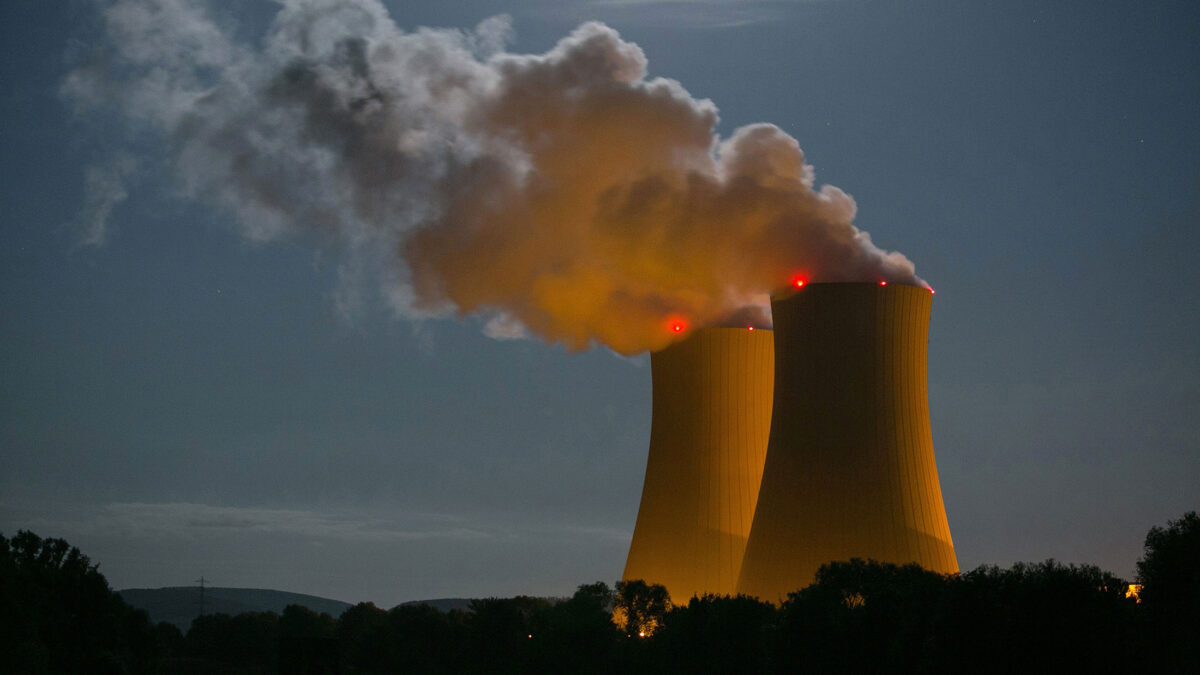
Reactivated for the first time since the 1980s, the Pinyon Plain uranium mine commenced operations in January on Arizona’s Kaibab National Forest, merely seven miles from the Grand Canyon. Driven by a resurgence in nuclear energy interest and a robust increase in uranium prices, Pinyon Plain is tapping into some of the highest-grade uranium ore in the United States. This site marks one of the first uranium mines to open in the U.S. in the past eight years.

This revival is not unique to Pinyon Plain. Across the U.S., at least five mining companies are re-opening sites in Texas, Utah, Wyoming, and Arizona, which were previously shut down after the 2011 Fukushima disaster caused uranium prices to crash. Globally, the momentum continues with new mining projects developing in Canada, India, and Mongolia.

This resurgence is largely fueled by global initiatives to combat climate change. At the COP28 U.N. climate conference in Dubai last year, over 20 countries, including the U.S., pledged to triple nuclear energy capacity by 2050 to decrease reliance on fossil fuels. Subsequently, the U.S. House of Representatives passed legislation to accelerate the development of next-generation nuclear power plants.

Despite its economic benefits, uranium mining’s environmental impact is profound, historically contaminating groundwater, soil, and surface water with radioactive materials, heavy metals, and acid mine drainage. While some damage has been remediated, much pollution remains due to remediation costs and challenges.

The legacy of uranium mining in the American West, especially near Indigenous lands, has left enduring environmental and health scars, heightening concerns about the new wave of uranium extraction.

However, proponents argue that modern mining techniques, like in-situ leaching, are less invasive and cleaner than traditional open-pit mining. This method involves dissolving underground ore with a chemical solution that is then pumped to the surface for uranium extraction, significantly reducing surface disturbance and water usage.

Scott Melbye, president of Uranium Producers of America and CEO of Uranium Royalty, emphasizes that current U.S. production standards are stringent, advocating for domestic mining over importing uranium from countries with much lower environmental and labor standards.

If the strict environmental standards can be maintained it would go a long way to alleviating most concerns. This combined with advancing nuclear technology could bring a new era of safe and renewable nuclear energy.

Why the Moon is Changing

Did you know that the moon is changing colors? In fact, the moon is rusting.

That fact came as quite a surprise to scientist when it was first discovered as water or oxygen would be required for the moon to rust. The moon happens to have neither of those.

However, we now know why this is happening. If this piques your interest, you will want to check out this short video from Sci Show explaining how and why this is happening.

Bamboo Slats Reveal Ancient Governance

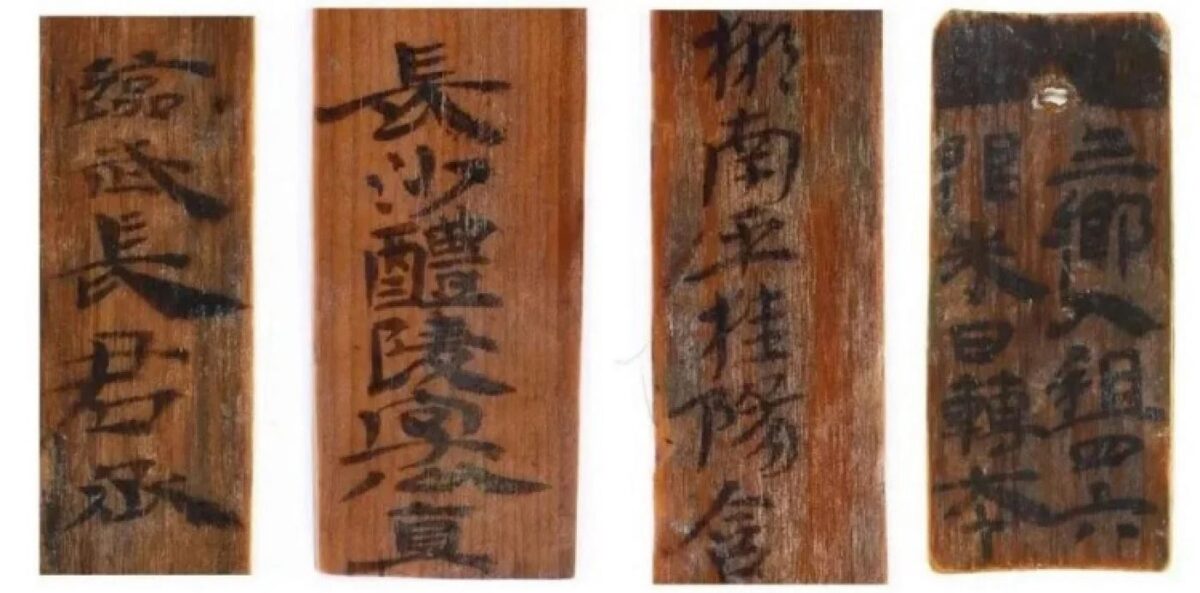
A significant discovery occurred in central China: an ancient collection of literary records emerged from an old well. Dating back to 220 AD, these 10,000 bamboo slats, inscribed with Chinese characters, shed light on the governance of a nearby town during the Three Kingdoms Period.

These relics provide context for the creation of the renowned Chinese epic, Romance of the Three Kingdoms, narrating the tumultuous conflicts among the lords and soldiers of three states following the decline of the Qin Dynasty. Originating from the kingdom of Wu, indicated by references to the Jiahe era under the reign of King Sun Quan, these bamboo records offer insights into household registration, agriculture, mining, and economic activities in Dutou.

Bamboo slats, known as Jiandu, served as the primary writing medium for millennia before the advent of silk, rice paper, and wood paper. Recovering 300,000 Jiandu from various periods has added a wealth of ancient Chinese writing, still accessible and intelligible today.

The Dutou records meticulously detail taxation imposed by the central government and its allocation. Excavations around Dutou, conducted during road repairs, revealed over 300 infrastructure features, including roads, moats, tombs, houses, and workshops, adding layers to our understanding of ancient settlement patterns.

Hong Kong Approves Bitcoin and Ethereum ETFs

This month, Hong Kong regulators gave the green light for the launch of spot Bitcoin and Ethereum exchange-traded funds (ETFs), following similar initiatives in the U.S. earlier this year. According to asset managers, three ETF providers received approval from Hong Kong’s Securities and Futures Commission (SFC).

ChinaAMC announced it had secured regulatory approval to offer “virtual asset management services” and is in the process of developing a spot Bitcoin and Ethereum ETF. OSL Digital Securities has been designated as the custodian for ChinaAMC.

Additionally, Harvest Global and Bosera International have also obtained SFC approval for their Bitcoin and Ethereum ETFs.

While approval has been granted, these ETFs have not yet been launched. Crypto trading remains largely prohibited in mainland China following a significant crackdown in 2021. Despite this, Hong Kong is gradually positioning itself as a regulated cryptocurrency hub, aiming to compete with locations like Dubai and Singapore. It remains to be seen whether mainland Chinese investors will be permitted to invest in cryptocurrencies through these ETFs.

This development follows the U.S. securities regulators’ recent approval of spot bitcoin ETFs, which have attracted billions of dollars in inflows. A Bitcoin ETF provides investors exposure to the asset’s price movements without the necessity of owning the underlying cryptocurrency, potentially allowing more traditional investors to participate in the crypto market.

Hong Kong is poised to be among the first jurisdictions globally to approve an Ethereum ETF, a step not yet taken by the U.S. Securities and Exchange Commission.

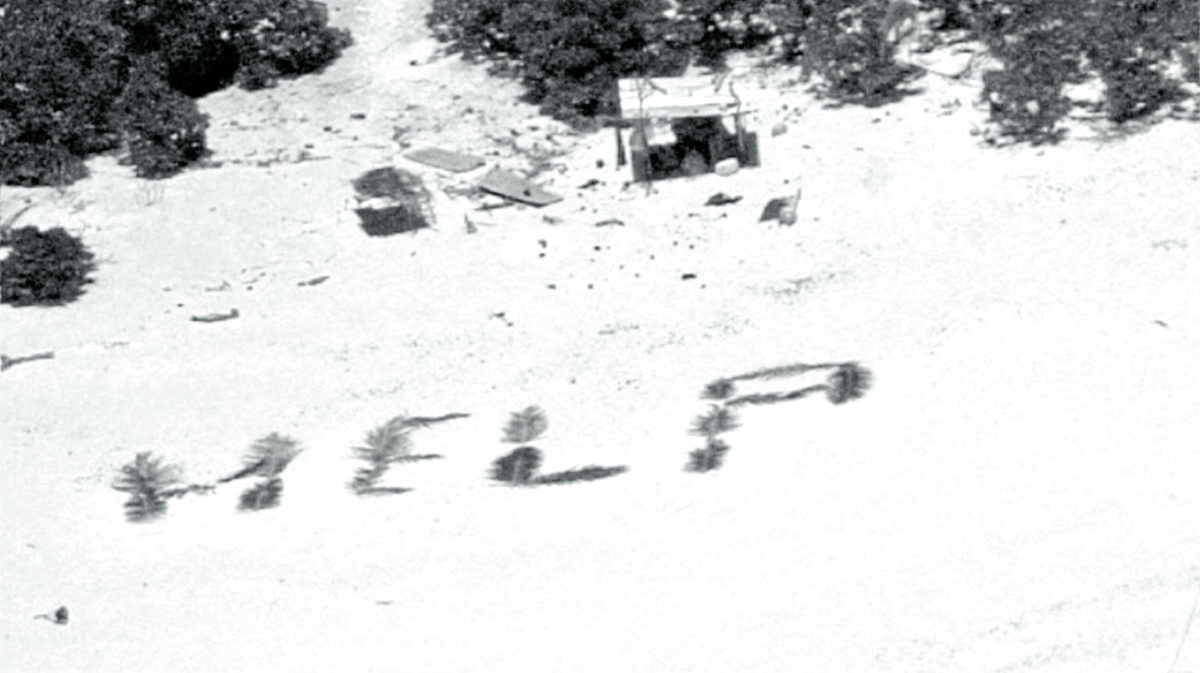
Island Castaways Rescued; Signaled for HELP with Palm Leaves

A joint US Navy and Coast Guard operation conducted on Tuesday successfully rescued three mariners who had been stranded on a remote Pacific Ocean islet for over a week. The trio had found themselves marooned on Pikelot Atoll, part of Micronesia, after their 20-foot skiff encountered rough swells and sustained damage to its outboard motor on March 31.

Unable to summon help via their radio due to depleted battery power, the stranded men resorted to a creative solution. They gathered palm fronds from the island and arranged them to form the word “HELP” on the beach, a distress signal that caught the attention of search teams.

During their ordeal, the men sustained themselves on coconut meat and utilized fresh water from a small well on the island.

The search for the missing mariners commenced on April 6 after a concerned relative reported their failure to return to Polowat Atoll, their initial departure point located over 100 miles away. Pikelot Atoll’s extreme remoteness posed a challenge to the search effort.