13 Million Cases of Malaria Prevented

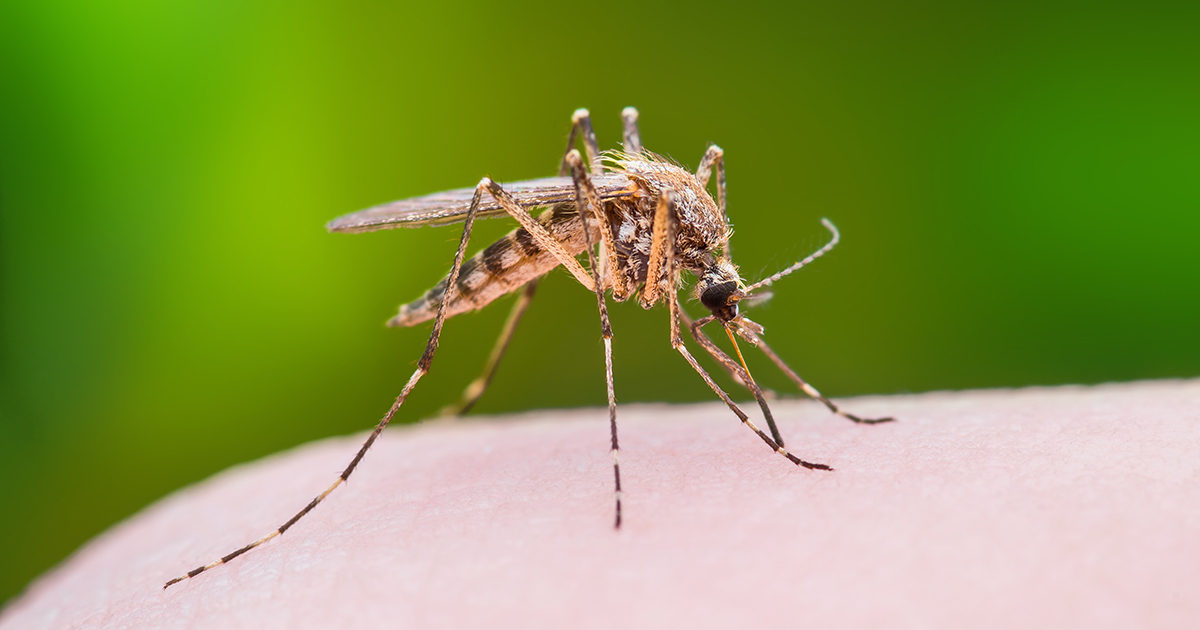
For years, aid workers have understood that while billions of dollars flow into African aid foundations, a relatively small investment in insecticide-treated mosquito nets could rival the impact of a decade’s worth of malaria drug research.

Indeed, the investment in nets has surpassed expectations: a single program, which distributed 54 million nets across 16 countries over three years, is estimated to have saved 24,600 lives and prevented 13 million cases of malaria.

This initiative, known as the New Nets Project, is a collaboration funded by Unitaid, the Global Fund, and the Innovative Vector Control Consortium. It focuses on distributing new types of mosquito nets treated with advanced insecticides like chlorfenapyr and pyroproxyfen, which have shown greater effectiveness than the standard treatments.

Mosquito populations, much like bacteria with antibiotics, can develop resistance to the insecticides used in traditional nets. While these nets continue to act as physical barriers, they degrade quickly due to their delicate material.

From 2019 to 2022, the New Nets Project facilitated the distribution of 38.4 million mosquito nets throughout sub-Saharan Africa. Further, in partnership with the office of the President of the United States, an additional distribution increased this number to 56 million nets in Nigeria and other countries.

In regions experiencing insecticide resistance, these new nets have been shown to increase malaria control effectiveness by 20 to 50%. The use of these nets, compared to standard ones, has potentially saved health systems $28.9 million by reducing malaria cases and deaths.

It is always great to see smart, well organized efforts making a real difference!

The Forgotten Food

There are many fascinating things about the cultures that came before us.

One thing that is intrinsic to culture is food. However, sometimes food isn’t just flavor. Sometimes it changes the face of history.

The Creature that Eats Plastic

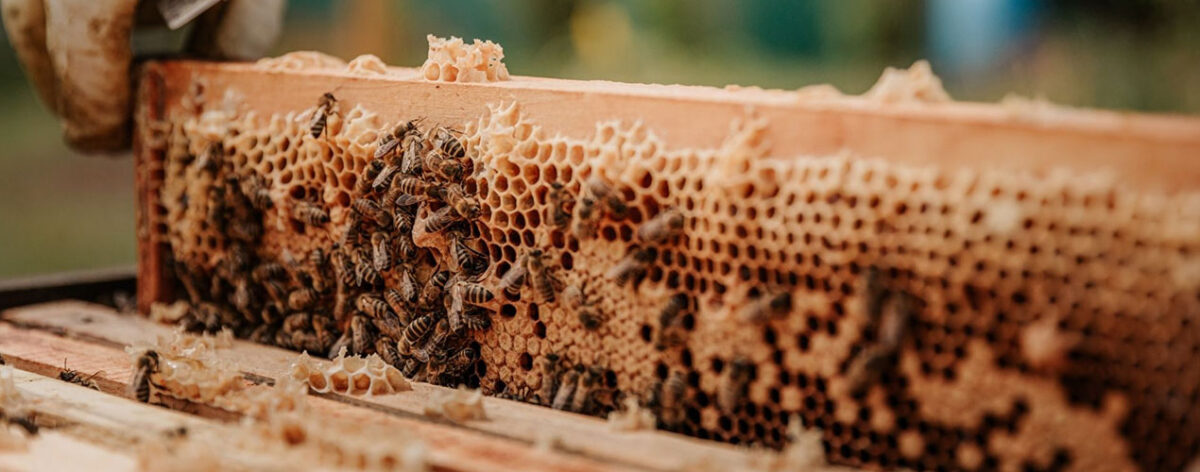
Waxworms, the larval stage of wax moths, are typically known to beekeepers as pests because they feed on the wax in honeycombs. However, in 2017, molecular biologist Federica Bertocchini made a surprising discovery about these seemingly unremarkable creatures.

Bertocchini, an amateur beekeeper and a researcher at the Spanish National Research Council, threw some waxworms in a plastic bag after cleaning her bee hive. She soon noticed that the worms had chewed holes through the plastic, but noticed that the worms weren’t just damaging the plastic; they were actually breaking it down and digesting it.

“It was a real eureka moment – it was brilliant,” Bertocchini recalls about her initial observation, which sparked a significant research project.

These waxworms demonstrated a unique ability to break down plastic, a task that has proved difficult for humans. Further investigation revealed that the liquid excreted by the worms contained two enzymes which effectively oxidized the polyethylene in the plastic, breaking it down on contact.

While releasing these worms into plastic-polluted environments could pose risks to ecosystems, Bertocchini sees potential in harnessing these enzymes to address global plastic pollution. Now serving as the chief technology officer at Plasticentropy France, she is exploring ways to scale up these enzymes for broader application in plastic degradation.

“The big-picture goal is to be able to apply these enzymes to the plastic waste,” Bertocchini states, aiming to develop this discovery into a global solution.

The potential mass production of such enzymes could revolutionize how the world handles plastic waste, possibly even integrating the creatures that inspired this innovation.

Check out this fascinating video about the worms.

Strangers Brave Flames to Save Man Trapped in Car

Raw dash camera footage shows 5 or 6 people stopping and rushing out of their vehicles after an SUV veers off the highway and catches fire.

Despite their efforts to open the car doors as the flames grow, they fail. Luckily, a member of the Minnesota Department of Transportation’s Freeway Incident Response Safety Team arrives in time to break the window.

The incident began when 71-year-old Sam Orbovich lost consciousness while driving his Honda. When he comes to, he finds himself surrounded by flames and being rescued by the these good Samaritans. That must have been terrifying.

It is really great to see people willing to jump to help a person in need despite the possible dangers to themselves.

Watch the actual rescue footage here:

Immune-Boosting Cancer Breakthrough

A new cancer treatment developed by scientists at Virginia Tech aims to boost the body’s immune cells without causing harmful side effects like hair loss.

This method focuses on targeting cancer-killing proteins directly to tumors, making current treatments more effective.

Instead of attacking healthy cells, this treatment activates and “reprograms” immune cells to specifically fight cancer.

The key ingredient, small proteins called cytokines, usually cause side effects when they spread throughout the body. But with this new technique, they stay in tumors longer, reducing harm to healthy tissue.

Chemical engineers designed special particles to deliver these proteins directly to tumors, avoiding damage to the rest of the body.

By combining this treatment with other drugs that wake up dormant immune cells, the researchers saw promising results in eliminating tumors.

This approach has the potential to improve cancer treatment and may be useful for delivering other immune-boosting drugs in the future.