Asteroid Mining Incoming

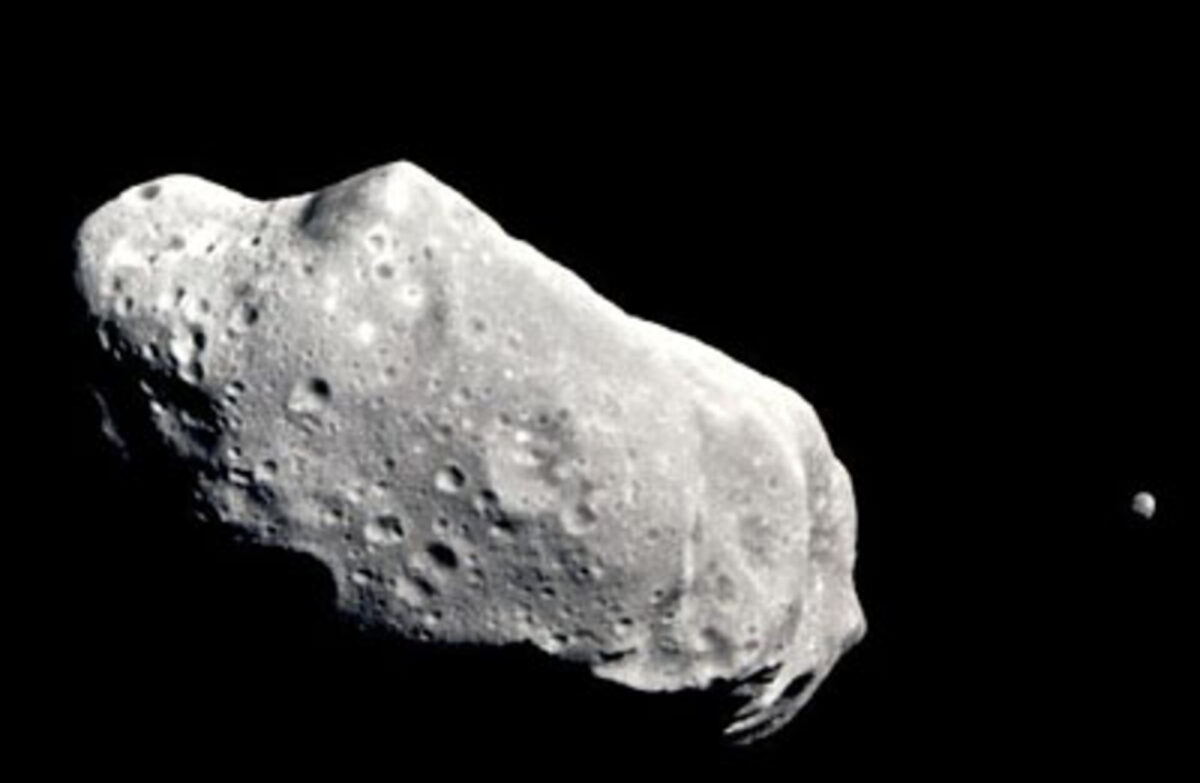
The concept of asteroid mining for critical minerals is transitioning from a theoretical idea to a practical venture, promising to revolutionize not only resource extraction but potentially offering a cleaner alternative to traditional Earth-based mining. The notion, circulating since the 1970s, has recently gained momentum. Companies such as AstroForge, Trans Astronautica Corporation, and Karman+ are preparing to deploy advanced technologies for space trials, setting the stage for asteroid mining operations.

Space missions from Japan and the U.S. have been initiated to survey asteroids and retrieve samples. Notably, NASA’s Psyche mission, launched in October 2023, is en route to its namesake asteroid located between Mars and Jupiter, with exploration activities scheduled to commence in August 2029.

This burgeoning field has captured the attention of economists who are assessing its implications for the global economy. A significant study by Ian Lange of the Colorado School of Mines, published on October 16, investigates the economic landscape of asteroid mining. This research anticipates a substantial expansion of the industry in coming decades, spurred by escalating demand for metals essential for electronics, renewable energy technologies, and electric vehicles.

Lange’s analysis highlights the rich deposits of vital metals such as nickel, cobalt, iron, and platinum in asteroids, potentially exceeding terrestrial reserves by over a thousand-fold. The advent of reusable rocket technology by entities like SpaceX and Rocket Lab has significantly reduced launch costs, rendering asteroid mining an economically feasible endeavor.

Personally, I am a big fan of sci-fi, so this whole endeavor sounds very cool to me.
Missing Half of Towering Ramses II Statue Finally Unearthed

Almost a century after the discovery of the legs of a colossal statue of Pharaoh Ramses II in Egypt, archaeologists have successfully uncovered its missing pieces.

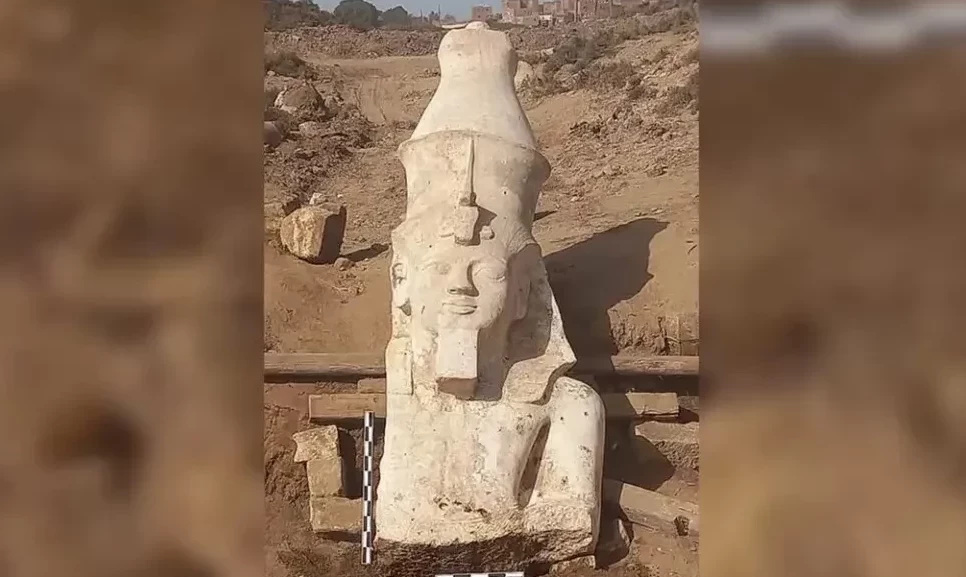
The recent find includes the statue’s torso, head, and shoulders, which seamlessly join with the legs that have been displayed in a museum for years.

Reconstructed, the statue reaches a majestic height of 23 feet, showcasing one of Egypt’s most revered rulers seated, crowned with a cobra emblematic of sovereignty. The statue’s rear is adorned with hieroglyphs detailing his extensive titles.

Ramses the Great, ruling in an era when average lifespans were between 40 to 50 years, remarkably lived into his 90s, surpassing the lifetimes of many of his children and nearly 100 grandchildren.

His reign marked a golden era for the 19th Dynasty, extending its territory from Sudan to Syria, celebrated through monuments, temples, and statues, including this recently reunited piece, originally discovered in 1930 by German archaeologist Günther Roeder.

Dr. Adel Okasha, leading the Central Administration of Antiquities of Central Egypt, mentioned that recent excavations aimed to uncover the religious center of the ancient city of Hermopolis from the New Kingdom to the Roman period. This city, once a pivotal site of worship and the ancient capital of the fifteenth Egyptian region, is believed to house several temples, including one dedicated to Ramses II.

Dr. Okasha expressed optimism about the significant find, suggesting it confirms they are searching in the right location, despite not yet uncovering the intended temple complex. The ancient city, known as Khomeno in Egypt and Hermopolis Magna during the Greco-Roman period, was a center for the worship of the god Thoth.

The excavation season has concluded, as stated, with the successful pairing of the king’s statue and the restoration and reinstallation of giant granite columns at the Ashmunin basilica, built atop a Ptolemaic temple’s ruins.

Medical AI Revolution?

Artificial intelligence is becoming very popular in the medical industry. Before you become too worried, this new type of ai is not used for diagnosis or prescription. Instead, the latest technological advancement captivating physicians aims to revive a timeless healthcare tradition: direct, in-person dialogues with patients.

At the HIMSS conference in Orlando, Florida, amidst a gathering of over 30,000 healthcare and technology experts, the buzz was all about ambient clinical documentation. This innovative approach permits doctors to record their patient interactions with consent, automatically converting these conversations into clinical notes and summaries through artificial intelligence. Leading the development of these solutions are companies like Microsoft’s Nuance Communications, Abridge, and Suki, which argue that this technology can significantly cut down on the administrative burden doctors face, allowing them to focus more on meaningful patient interactions.

Dr. Shiv Rao, the CEO and founder of Abridge, explained to CNBC during the HIMSS event how this technology transforms the clinical documentation process. By simplifying note-taking into a matter of starting and stopping a recording, doctors can devote their full attention to their patients, enhancing the quality of care.

The issue of administrative overload is a significant challenge within the U.S. healthcare system, contributing to widespread clinician burnout. A survey by Athenahealth in February highlighted that over 90% of physicians feel burnout from the constant pressure of paperwork, with many spending an extra 15 hours weekly on clerical tasks outside of work hours, often referred to colloquially as “pajama time.”

Given that much of this administrative work is bureaucratic and not directly related to patient care or diagnostic decisions, it’s become a prime area for applying generative AI technologies. Ambient clinical documentation, as a result, is experiencing a surge in interest and adoption.

Kenneth Harper, the general manager of DAX Copilot at Microsoft, shared his enthusiasm for the potential of this technology to alleviate the clerical load on physicians, noting that more than 200 organizations have already embraced Microsoft’s DAX Copilot since its launch. The acquisition of Nuance by Microsoft for approximately $16 billion in 2021 certainly shows their belief in the future of ambient clinical documentation.

Harper also shared that his team regularly receives feedback from physicians praising the service for significantly improving their work-life balance and, in some instances, helping preserve their marriages.

This is certainly a good application of ai in medicine. It is likely that many industries will start using similar software to improve meeting efficiency and reduce administrative load.

Full Recovery for Coral Reef Within 4 Years

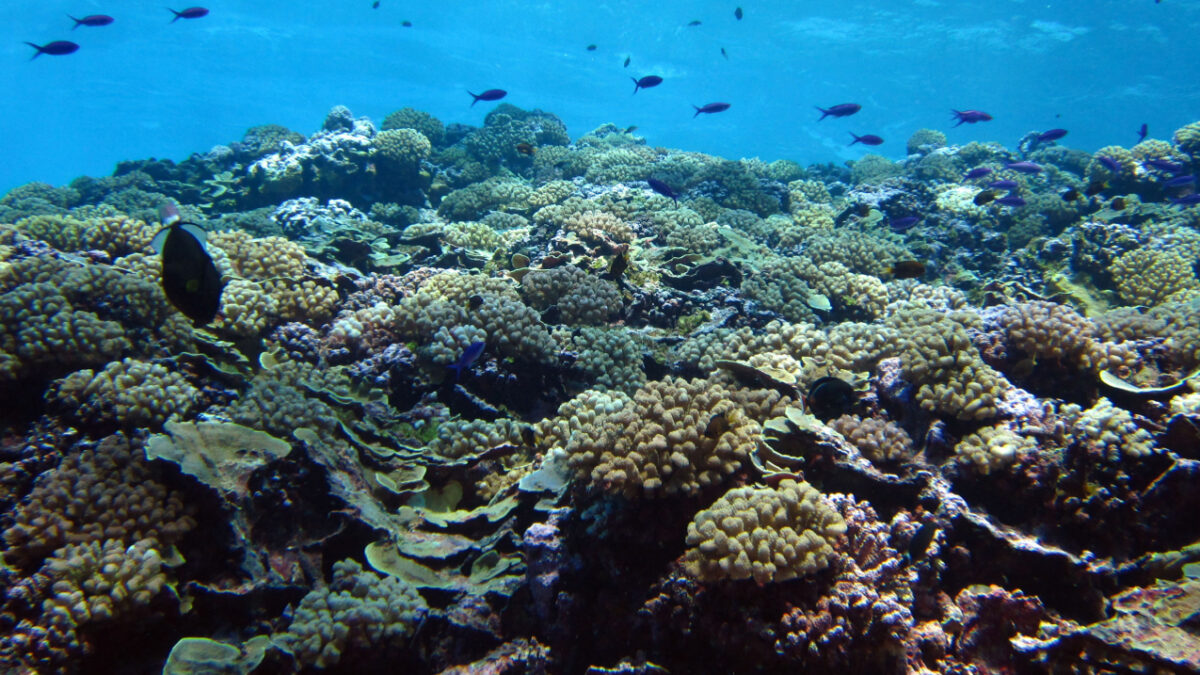
In a groundbreaking discovery, scientists studying coral restoration in Indonesia found that artificially restored coral reefs can regrow as quickly as naturally occurring reefs just four years after transplantation.
With many reefs worldwide facing threats from stronger storms and acidic seas, the finding demonstrates that humans can rapidly rebuild damaged reefs as long as corals can survive in the water.

The study was conducted at the Mars Coral Reef Restoration Program in South Sulawesi, Indonesia, one of the largest restoration projects globally. It involved an international team of marine biologists. The site had been devastated by dynamite fishing 30 to 40 years ago. At the project site, structures called “reef stars” are anchored to the seafloor to provide a foundation for coral larvae to attach and grow.

Ines Lange from the University of Exeter, UK, explains that assessing the carbonate budget provides insights into whether a reef is growing or deteriorating. Positive reef growth is vital for mitigating sea-level rise, protecting coastlines, and providing habitat for reef organisms. Four years after coral transplantation onto the metal reef stars, the net carbonate budgets have tripled and resemble those of healthy control sites. However, restored reefs tend to have lower species diversity due to the preference for branching coral in restoration efforts.

Lange expresses surprise at the speed of recovery observed, emphasizing that a complete restoration of reef framework production within four years was unexpected. The method of calculating reef restoration through carbonate budgeting is novel and offers a straightforward means of assessing a reef’s health.

Tim Lamont, a co-author of the study from the Lancaster University Environment Center, UK, underscores the need for longer-term evaluation of restored reefs to fully understand their potential. Nonetheless, the success achieved at Mars demonstrates that with efforts to stabilize the climate, humanity can mitigate some of the damage inflicted by climate change on coral reefs.

Artificial reef transplanting often facilitates quicker recovery compared to natural regeneration due to strategic placement, optimized design features, controlled densities, protection from human activities, rapid deployment, and selective species introduction. By situating artificial reefs strategically and designing them to maximize habitat suitability, they provide immediate substrate for coral colonization and minimize competition among organisms. Additionally, their placement in less disturbed areas can offer protection from human disturbances, further aiding recovery. Rapid deployment and the introduction of resilient or fast-growing species contribute to accelerating the regeneration process.

Therapy Shows Brain Cancer Remission in 5 Days

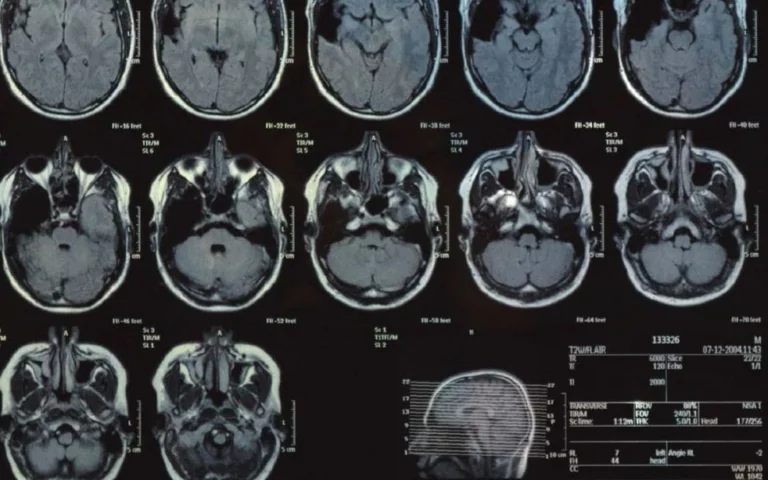
Research into a new treatment for glioblastoma, a deadly type of brain cancer, has shown some really promising early results.

Scientists at the Mass General Cancer Center in Massachusetts have been testing a treatment called CAR-T cell therapy. This treatment uses a person’s own immune cells to fight the cancer. It’s kind of like giving the body extra soldiers to help fight off the cancer. While this type of treatment has worked well for certain blood cancers, it hasn’t been as successful for solid tumors like glioblastoma.

In their study, they tried combining CAR-T therapy with another type of treatment called bispecific antibodies. They found that this combination worked well in lab tests.

They tested this treatment on three patients between March and July 2023. They took some of each patient’s immune cells, modified them in a special way in the lab, and then put them back into the patient’s body. The patients had some side effects like fevers and feeling a bit out of it, but overall, they handled it okay.

What’s really exciting is that after just one treatment, the patients saw a big reduction in the size of their tumors. One patient even had almost all of their tumor disappear in just five days!
While these early results are really promising, there’s still a lot more research to be done to make sure this treatment is safe and effective for more people.

The researchers are hopeful that this could be a big step forward in treating glioblastoma, but they want to make sure they get it right before they celebrate too much. They’re determined to keep working until they find a treatment that really works for everyone with this tough-to-beat cancer.